How to Select Quality Fish Fingerlings for Better Survival and Growth
15/10/2026
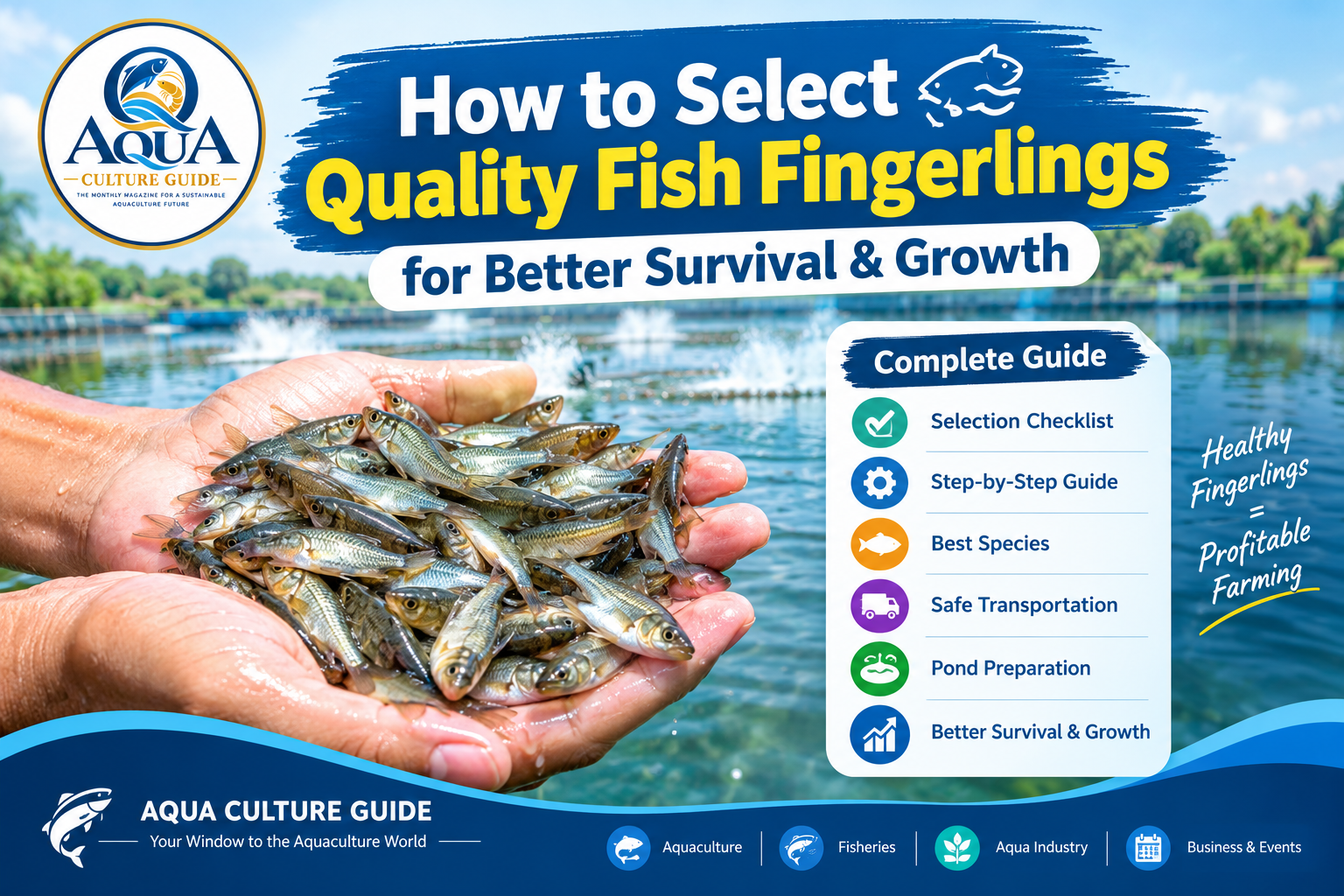
Learn how to select healthy fish fingerlings for better survival and growth. Follow this complete checklist and step-by-step guide for successful fish farming.
Introduction
Successful fish farming starts with selecting the right fish seed. Even if you have a well-prepared pond, good-quality feed, and proper water management, poor-quality fingerlings can lead to slow growth, high mortality, uneven fish sizes, and financial losses.
Fish fingerlings are young fish that have grown beyond the tiny fry stage and are suitable for stocking in grow-out ponds, depending on the species and their size. Choosing healthy fingerlings from a reliable hatchery gives farmers a stronger starting point for better survival, uniform growth, and improved production.
But how can you identify good-quality fish fingerlings before purchasing them?
Why Is Selecting Quality Fish Fingerlings Important?
The quality of fish seed directly influences the performance of a fish farming operation. Healthy fingerlings are more likely to adapt successfully to suitable pond conditions and begin feeding normally after stocking.
The main benefits of selecting quality fingerlings include:
- Better survival: Healthy, well-handled fish are better prepared to withstand the transition to a new pond.
- Faster, more uniform growth: Fingerlings of similar size and good health can help produce a more uniform crop.
- Lower losses: Choosing healthy seed from a trustworthy source reduces the risk of introducing certain diseases and parasites.
- Better feed management: Fish that settle in well and feed actively are easier to monitor and manage.
- Improved farm returns: Better survival and growth can support more predictable harvest planning and profitability.
Choose the Right Fish Species for Your Farm
Before purchasing fingerlings, identify which species suits your pond, water supply, local climate, and target market.
Common freshwater fish cultured in India include:
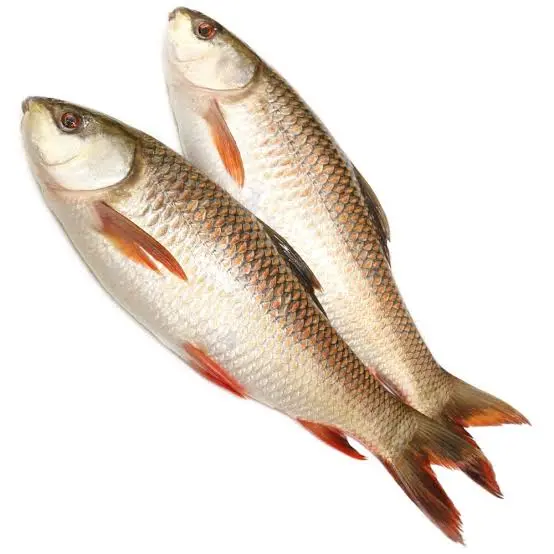
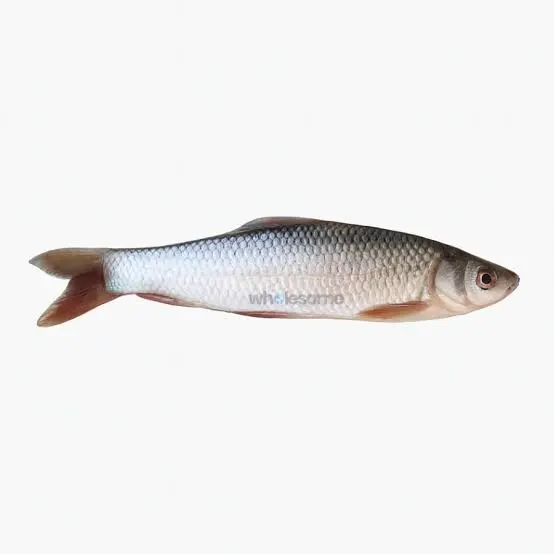
Rohu
A major Indian carp widely used in composite carp culture. It is popular in many Indian fish markets.
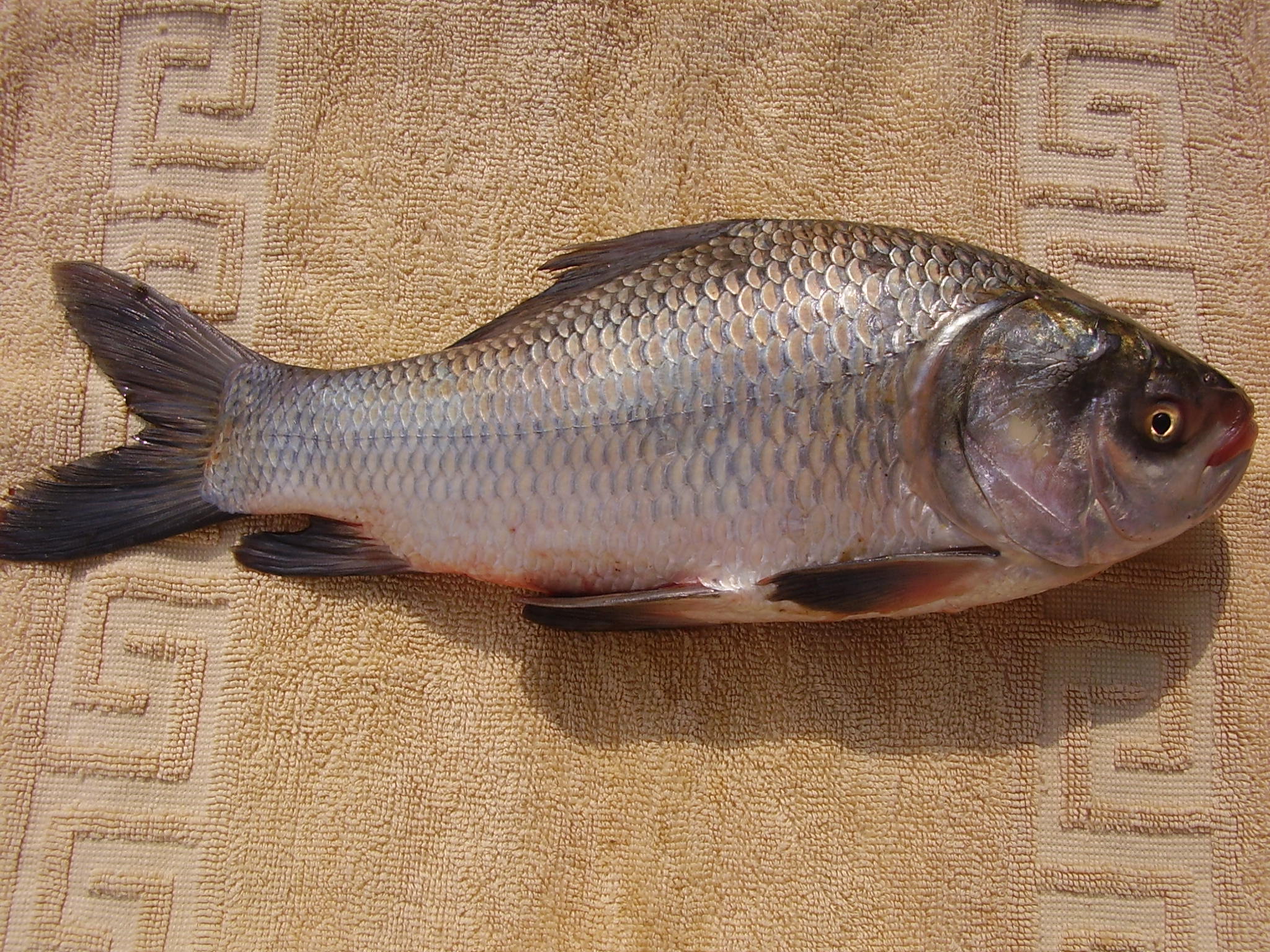
Catla
An Indian major carp commonly stocked in polyculture systems alongside other compatible carp species.
Mrigal
A bottom-feeding Indian major carp often included in composite fish farming.
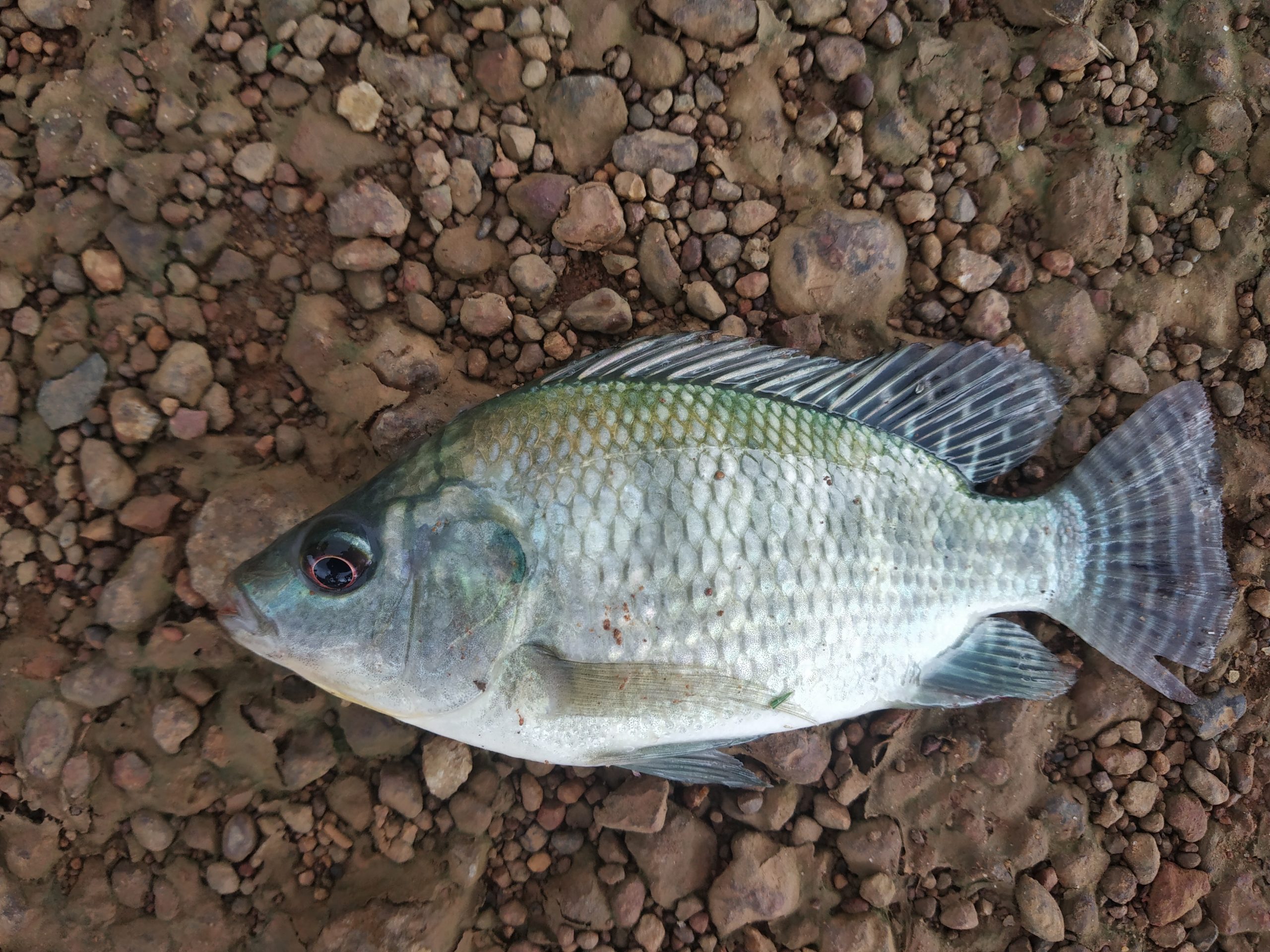
Tilapia
Can be suitable for commercial farming where permitted, with appropriate strain selection and stocking controls.
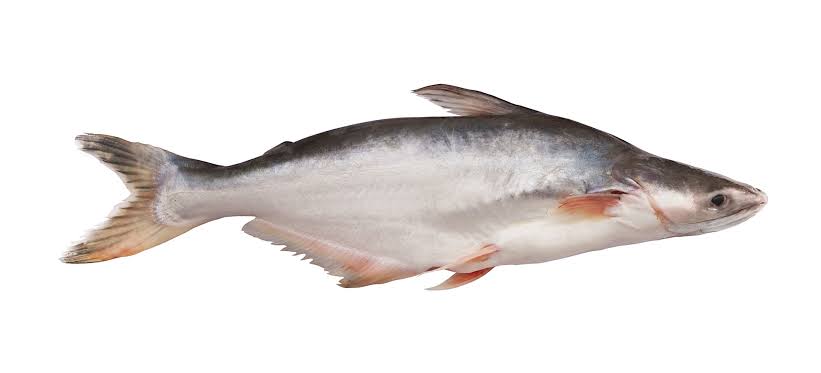
Pangasius
Farmed commercially in suitable systems where seed availability, local conditions, and market demand support production.
Farmer's tip: Do not select a species only because its fingerlings are inexpensive. Check local demand, expected selling price, available feed, water requirements, and applicable farming regulations before deciding.
Characteristics of Good-Quality Fish Fingerlings
Before purchasing fish seed, observe the fingerlings carefully. Healthy fingerlings usually show the following characteristics.
A. Active swimming
Healthy fingerlings swim actively and maintain balance in the water. They should respond normally to movement or gentle disturbance around their container.
Avoid fish that are frequently motionless, lose balance, swim in circles, or remain at the water surface gasping.
B. Uniform size
Choose fingerlings that are reasonably uniform in size for the same batch. Large differences in size may increase competition for feed and lead to uneven growth.
Uniformity is particularly important when planning stocking in a commercial grow-out pond.
C. No visible injuries
Inspect the fish for:
- Damaged fins or tails
- Open wounds or ulcers
- Missing scales where applicable
- Unusual swelling or deformities
- Excessive mucus or damaged skin
A few minutes of careful observation can help you avoid purchasing visibly unhealthy fish.
D. Normal body shape and appearance
Fingerlings should have a species-appropriate body shape, normal coloration, clear-looking eyes, and no obvious deformities.
Colour alone is not a reliable indicator of health because normal appearance differs between species and strains.
E. Normal gill movement
Observe the gills for normal, steady movement. Rapid breathing, gasping, or unusual gill colour may indicate stress, poor water quality, parasites, or disease.
F. Good feeding response
Where practical, ask the hatchery to demonstrate the fish's normal feeding response. Healthy, appropriately conditioned fingerlings should respond normally to feed for their species and developmental stage.
Do not judge health using feeding response alone; combine it with physical inspection and hatchery records.
Complete Checklist for Selecting Quality Fish Fingerlings
Use this checklist before confirming your purchase.
Hatchery and source
[ ] Buy from a reputable hatchery or authorised supplier
[ ] Check hatchery records and source of the fish seed
[ ] Ask about recent disease or mortality problems
[ ] Confirm species and strain identity
[ ] Check available health or testing documentation
Fish quality
[ ] Fingerlings swim actively and maintain balance
[ ] Fish have a normal body shape
[ ] No visible wounds, ulcers, or damaged fins
[ ] No unusual gasping or rapid gill movement
[ ] Batch has reasonably uniform size
[ ] Fish show no obvious signs of disease or parasites
Size and quantity
[ ] Confirm average fingerling length or weight
[ ] Check the number of fish supplied
[ ] Choose a size suitable for the farming system
[ ] Confirm the planned stocking density is appropriate
Transport and stocking
[ ] Use suitable, clean transport containers
[ ] Confirm adequate oxygen and safe water conditions
[ ] Arrange transport during a cooler part of the day where practical
[ ] Prepare the receiving pond before arrival
[ ] Plan gradual temperature and water acclimation
Important: Visual inspection cannot confirm that a fish batch is free of infection. For higher-risk purchases or commercial stocking, request appropriate health screening and advice from a qualified fisheries professional.
What Size of Fish Fingerlings Should You Buy?
The right size depends on the fish species, pond conditions, production system, stocking density, and the time available before harvest.
Larger fingerlings may sometimes establish more successfully than very small, delicate fish, but they also cost more per fish. Compare the additional purchase cost with expected survival and production benefits.
Before purchasing, ask the supplier:
- What is the average length and weight?
- Are the fish fry, fingerlings, or advanced fingerlings?
- Are the fish graded by size?
- What stocking size is recommended for your culture system?
- How long will it take to reach the target harvest size under suitable management?
Step-by-Step Guide to Selecting Quality Fish Fingerlings
Follow these steps before, during, and after purchasing your fish seed.
Step 1: Research the hatchery
Choose a reliable hatchery with traceable fish seed, consistent supply, and a good record of fish health. Ask other farmers about their experience with the supplier.
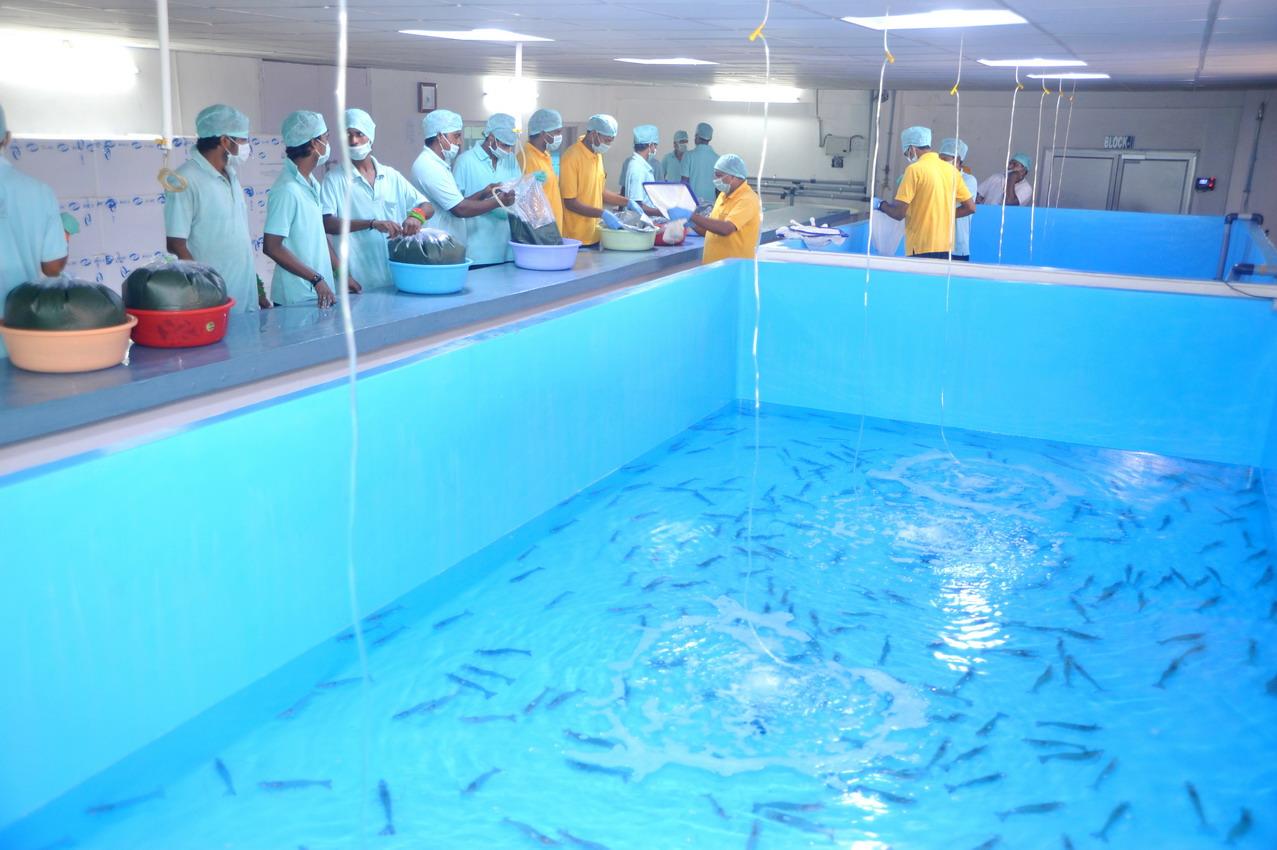
Step 2: Verify the species and batch
Confirm the species, strain if relevant, batch origin, average size, and quantity. Make sure the fish are suitable for your pond and local market.
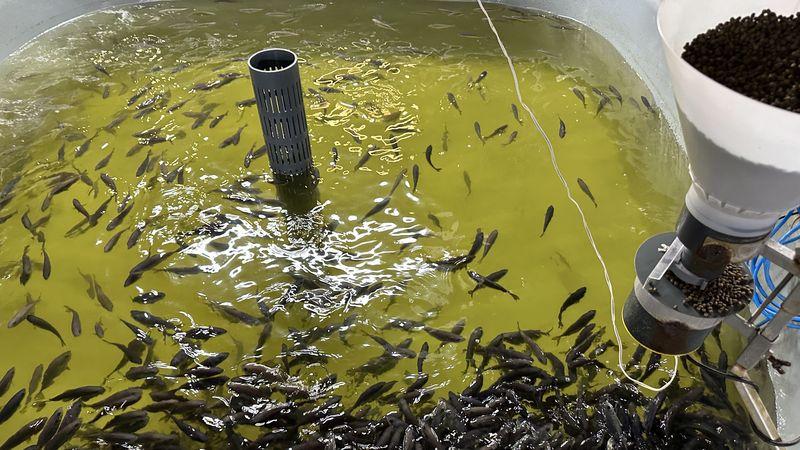
Step 3: Observe fish behaviour
Watch the fish swimming in their holding tank. Look for active, balanced movement and normal breathing. Avoid batches showing widespread weakness, gasping, or abnormal swimming.
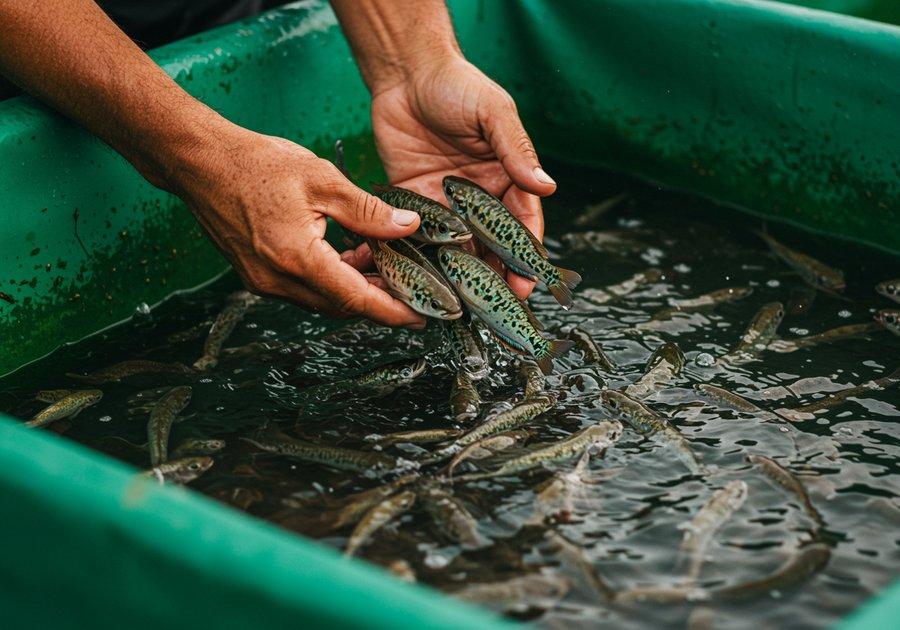
Step 4: Inspect physical condition
Check a representative sample with the supplier's assistance. Look for injuries, deformities, damaged fins, skin lesions, and abnormal gills. Ask for professional health screening when needed.
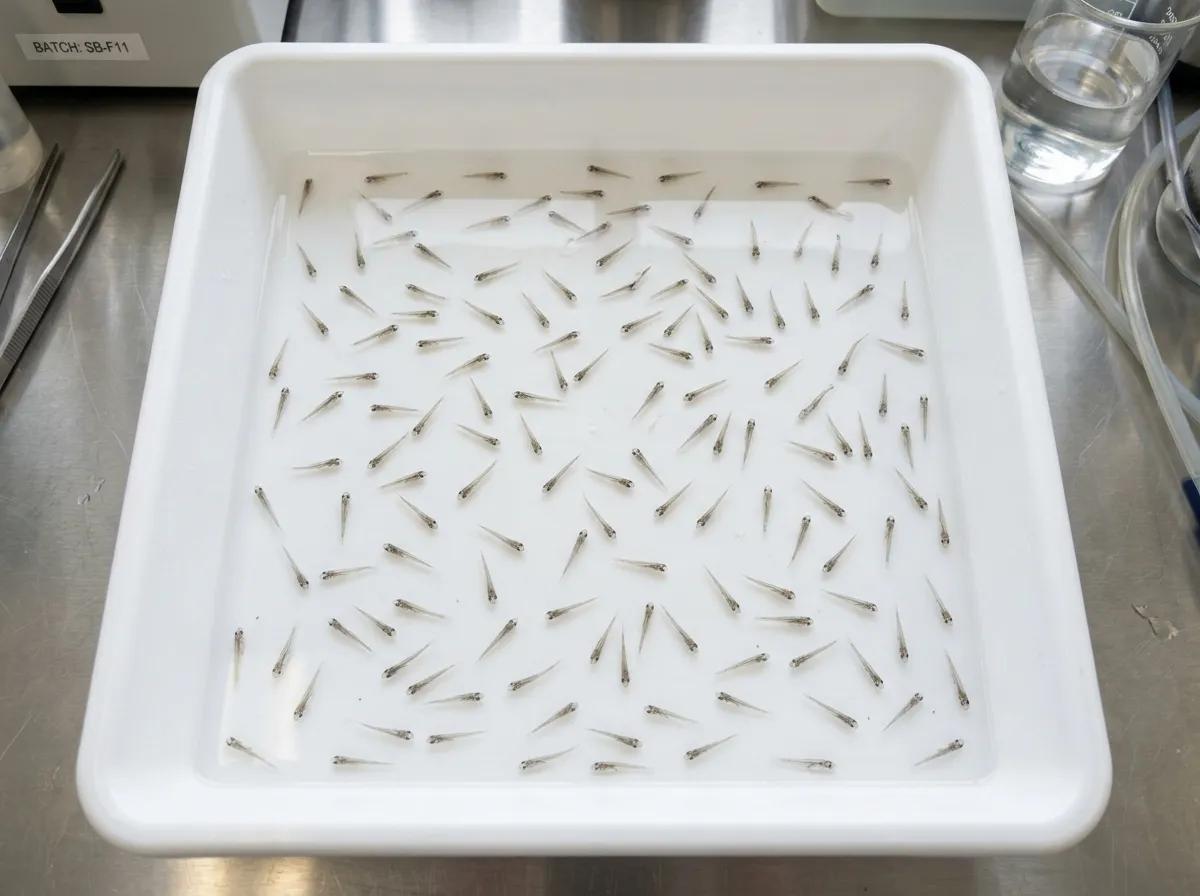
Step 5: Check size and quantity
Ask how the fish are counted and graded. Confirm the supplied number and average size, and agree on the price and delivery arrangements before purchase.
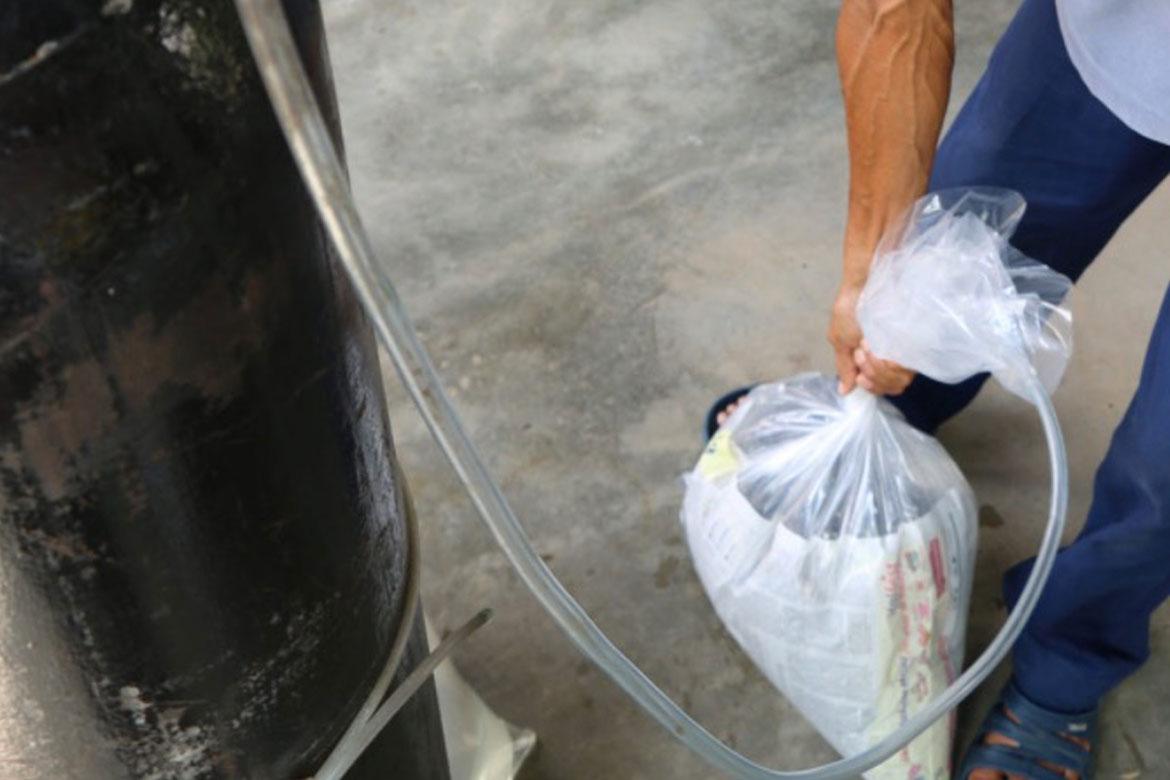
Step 6: Arrange safe transportation
Use suitable fish transport bags, tanks, or containers with appropriate oxygen supply and temperature management. Avoid overcrowding, long delays, and sudden changes in water conditions
Step 7: Acclimate and stock carefully
Compare transport water and pond temperature. Acclimate the fish gradually using a method suitable for the species and transport system. Avoid suddenly mixing transport water into the pond, especially if its quality is uncertain.
Step 8: Monitor after stocking
Observe fish behaviour, feeding activity, water quality, and mortality during the first few days. Investigate unusual losses promptly rather than assuming they are normal stocking stress.
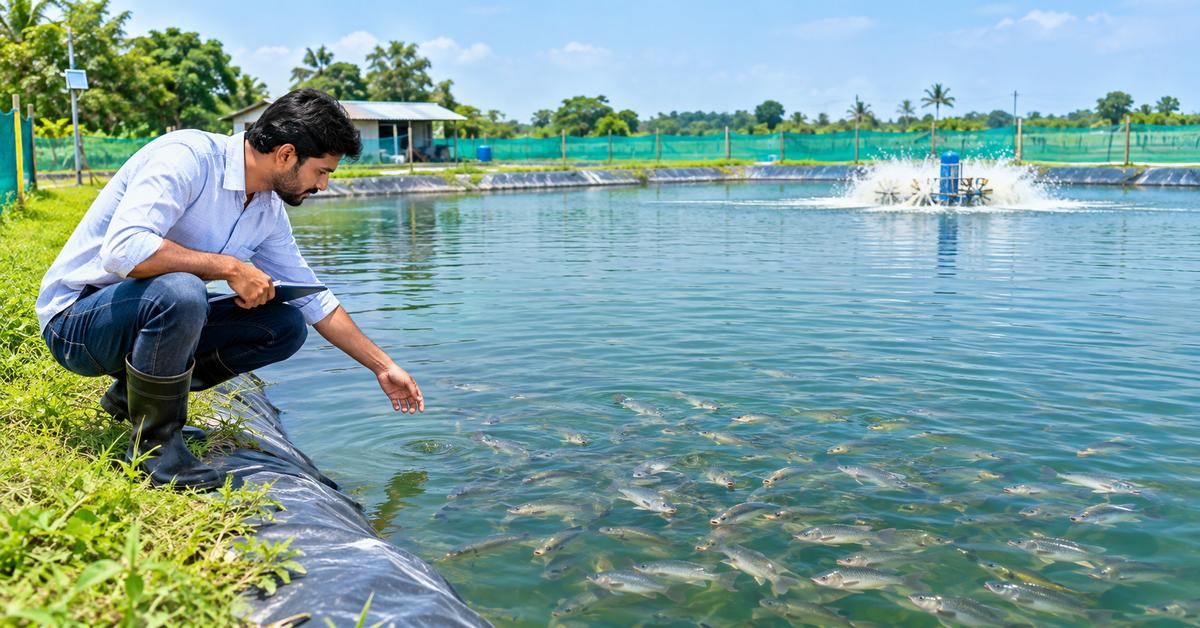
How to Transport Fish Fingerlings Without High Mortality
Poor transportation can damage even good-quality fingerlings. Follow these precautions:
- Transport fish in clean containers designed for live fish.
- Maintain appropriate dissolved oxygen throughout the journey.
- Avoid overcrowding and excessive handling.
- Protect containers from direct sunlight and extreme temperatures.
- Keep transport time as short as practical.
- Use appropriate water quality and temperature management.
- Follow supplier or fisheries expert recommendations for species-specific transport procedures.
How to Prepare Your Pond Before Stocking Fingerlings
Do not purchase fingerlings until your pond is ready to receive them.
Pond preparation checklist
- Remove unwanted predatory fish and other harmful organisms using appropriate methods.
- Check pond depth and water supply.
- Test water quality, including temperature, dissolved oxygen, and pH.
- Check for signs of pollution or sudden changes in water quality.
- Prepare aeration equipment if required.
- Ensure the pond has suitable natural food and feeding arrangements for the selected species.
- Confirm the recommended stocking density.
- Prepare a plan for monitoring fish health and mortality.
Water quality requirements vary by species and culture system. Obtain suitable local recommendations instead of relying on one set of values for every fish species.
Common Mistakes to Avoid When Buying Fish Fingerlings
Common mistake Better practice
Buying only because the price is low Compare quality, source, size, and expected performance
Selecting fish by appearance alone Combine inspection with source records and health checks
Buying mixed, highly uneven sizes Request appropriate size grading
Ignoring the species Match the species to pond conditions and market demand
Overcrowding during transport Use suitable transport density and oxygen supply
Stocking before the pond is ready Test water and prepare the pond first
Stocking too many fish Follow a suitable stocking plan
Ignoring mortality after stocking Monitor fish and investigate unusual losses early
How to Improve Fish Fingerling Survival After Stocking
Selecting good-quality fingerlings is only the first step. To support their survival and growth:
- Maintain good water quality. Monitor dissolved oxygen, temperature, pH, and other relevant parameters.
- Provide suitable feed. Select feed appropriate for the species and size, and avoid overfeeding.
- Follow the recommended stocking density. Excessive stocking can increase competition, stress, and water quality problems.
- Observe fish behaviour daily. Look for reduced feeding, unusual swimming, gasping, or mortality.
- Maintain biosecurity. Clean equipment, prevent unnecessary movement of fish between ponds, and obtain healthy seed from reliable sources.
- Seek professional help when needed. If disease signs or unexplained mortality occur, contact a fisheries officer or aquatic animal health professional.
Conclusion
Selecting quality fish fingerlings is one of the most important decisions in successful fish farming. By choosing a reliable hatchery, checking fish health and size, arranging safe transportation, and preparing the pond properly, farmers can reduce avoidable risks and give their fish a better start.
Remember that healthy fingerlings + suitable water quality + proper feeding + correct stocking density = a stronger foundation for successful fish farming.
For more practical guides on fish farming, aquaculture management, and industry updates, keep following Aqua Culture Guide.
Questions & Answers
Q1.How can I identify healthy fish fingerlings?
Healthy fingerlings generally swim actively, maintain balance, have a normal body shape, and show no obvious injuries or disease signs. Check their source and health records as well.
Q2.Which fish fingerlings are best for farming in India?
Rohu, Catla, and Mrigal are commonly used in freshwater carp culture. Tilapia and Pangasius may also be suitable in appropriate systems where permitted. The best choice depends on local demand, water conditions, seed availability, and regulations.
Q3.Are larger fingerlings better than smaller fingerlings?
Larger fingerlings may be less vulnerable to some early-stage risks, but their higher purchase cost must be considered. Compare size, health, cost, and suitability for your production system.
Q4.How do I know whether fish seed comes from a reliable hatchery?
Check the hatchery's reputation, traceability records, species identity, batch information, and available health documentation. A trustworthy supplier should be willing to answer questions about the fish seed.
Q5.Why do fish fingerlings die after stocking?
Possible causes include transport stress, sudden temperature changes, low dissolved oxygen, unsuitable water quality, injury, excessive stocking density, and disease. Investigate the actual cause rather than assuming all mortality is due to poor seed quality.
Q6.How should I acclimate fingerlings before releasing them into a pond?
Compare transport water with pond water, especially temperature, and follow a suitable gradual acclimation method. The exact procedure depends on the species, transport system, and water chemistry. Avoid releasing fish abruptly into very different conditions.
Related articles
భారతీయ రిజర్వాయర్లలో కేజ్ ఫిష్ ఫార్మింగ్: సాంకేతికత, అనుమతులు మరియు పెట్టుబడి వివరాలు
భారతదేశంలోని రిజర్వాయర్లలో కేజ్ ఫిష్ ఫార్మింగ్ ఎలా ప్రారంభించాలి? అవసరమైన సాంకేతికత, ప్రభుత్వ అనుమతులు, పెట్టుబడి, చేపల జాతులు, మేత నిర్వహణ మరియు లాభనష్టాల గురించి పూర్తి వివరాలు తెలుసుకోండి.
Freshwater Prawn Farming in IndiaFreshwater Prawn Farming in India: రైతులకు పూర్తి సాగు మార్గదర్శిని
భారతదేశంలో మంచినీటి రొయ్యల సాగు ఎలా ప్రారంభించాలి? జెయింట్ ఫ్రెష్వాటర్ ప్రాన్ సీడ్ ఎంపిక, చెరువు తయారీ, స్టాకింగ్, ఆహారం, నీటి నాణ్యత, పెట్టుబడి, మార్కెటింగ్ గురించి పూర్తి వివరాలు తెలుసుకోండి.
Tilapia farming in Indiaభారతదేశంలో తిలాపియా చేపల పెంపకం – మార్కెట్ అవకాశాలు, ప్రభుత్వ నిబంధనలు మరియు ఆధునిక సాగు పద్ధతులు
భారతదేశంలో తిలాపియా చేపల పెంపకం ఎలా చేయాలి? మార్కెట్ అవకాశాలు, ప్రభుత్వ అనుమతులు, చెరువు సాగు, బయోఫ్లాక్, RAS విధానాలు, పిల్లల ఎంపిక, మేత నిర్వహణ మరియు దిగుబడి గురించి పూర్తి సమాచారం.
PCR Testing in Shrimp Hatcheriesరొయ్యల హ్యాచరీల్లో PCR పరీక్షలు: ఫలితాలను రైతులు ఎలా అర్థం చేసుకోవాలి?
WSSV, EHP, AHPND వంటి వ్యాధికారకాలను గుర్తించడంలో PCR పరీక్షల పాత్ర, పరీక్షా నివేదికలను అర్థం చేసుకోవడం, నాణ్యమైన రొయ్య పిల్లలను ఎంపిక చేసుకోవడం గురించి రైతులు తెలుసుకోవాల్సిన పూర్తి సమాచారం.
Explore Aqua Culture Guide
Aqua companies directory
Feed, seed, probiotics & equipment suppliers
Aquaculture calculators
Feed, FCR, stocking & water quality tools
Telugu aqua magazine
Read the latest monthly issue online
All aqua news & articles
Farming, disease control and market updates
List your company free
Get found by farmers across India
Advertise with us
Magazine and website advertising options