Feed Additives in Aquaculture: Types, Benefits and Uses
29/10/2026
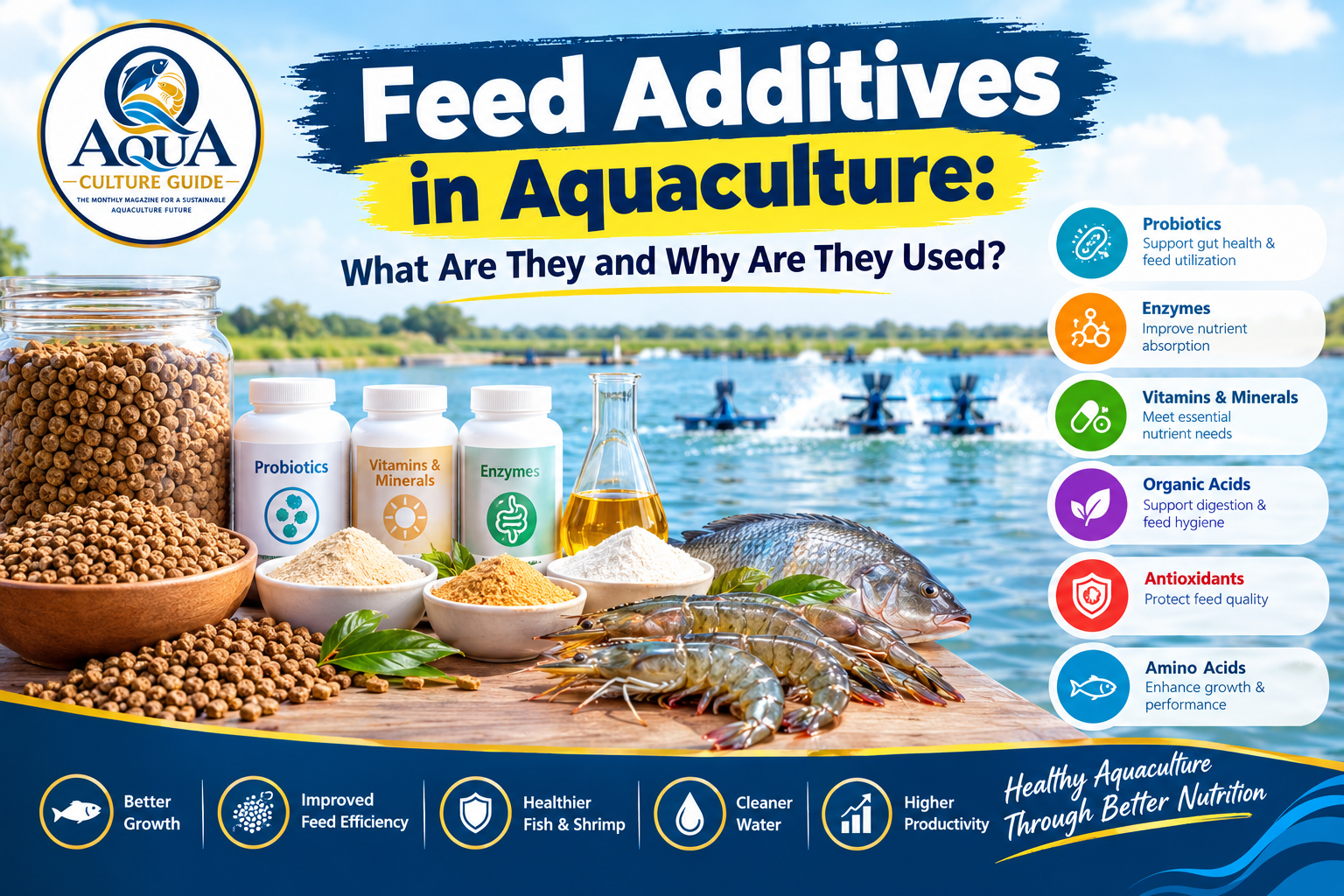
Learn what feed additives are in aquaculture, their types, benefits, uses in fish and shrimp farming, and how to select and apply them correctly.
Introduction
Feed is one of the most important factors affecting the growth, health and production of fish and shrimp. However, providing good-quality feed alone may not always meet every nutritional or farming requirement. Depending on the species, culture system, feed quality and water conditions, farmers may use specific feed additives to support nutrition, digestion, feed utilization and animal health.
Feed additives in aquaculture are ingredients added to feed in small or controlled amounts to provide a specific nutritional, technological or functional benefit. Examples include probiotics, enzymes, vitamins, minerals, organic acids, antioxidants and certain approved functional ingredients.
These additives may help improve feed utilization, support normal growth, maintain feed quality and help fish or shrimp cope with specific farming challenges. However, their effectiveness depends on the additive's composition, dosage, quality, application method and farming conditions.
What Are Feed Additives in Aquaculture?
Feed additives are substances incorporated into aquaculture feed to serve a particular purpose. They may help improve nutrient availability, support digestive function, maintain feed stability or provide specific nutritional benefits.
They are used in different forms, such as:
- Ingredients mixed into feed during manufacturing.
- Powders or liquids applied to feed before feeding, where the product label permits.
- Specialized additives included in formulated feed for particular species or life stages.
For example, a probiotic feed additive may support a healthy microbial balance in the digestive tract, while an enzyme additive may help break down certain feed components.
The right additive depends on the fish or shrimp species, growth stage, existing feed formulation and the problem the farmer wants to address.
Main Types of Feed Additives Used in Aquaculture
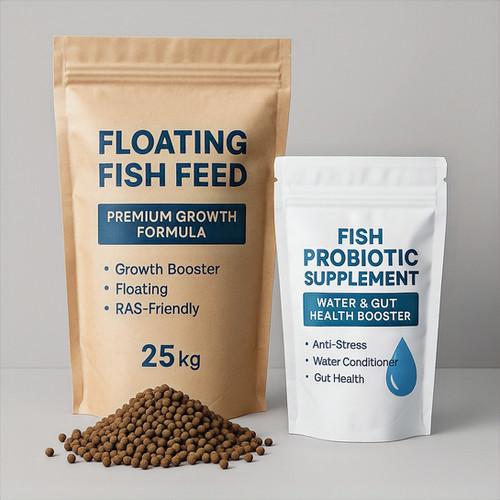
- Probiotics
Probiotics contain selected live microorganisms intended to provide a benefit when used appropriately. Some are designed for inclusion in feed to support digestive function or beneficial microbial activity.
Why they are used: To support gut health, feed utilization and normal animal performance. Results depend on the specific strain, dose, storage conditions and species.
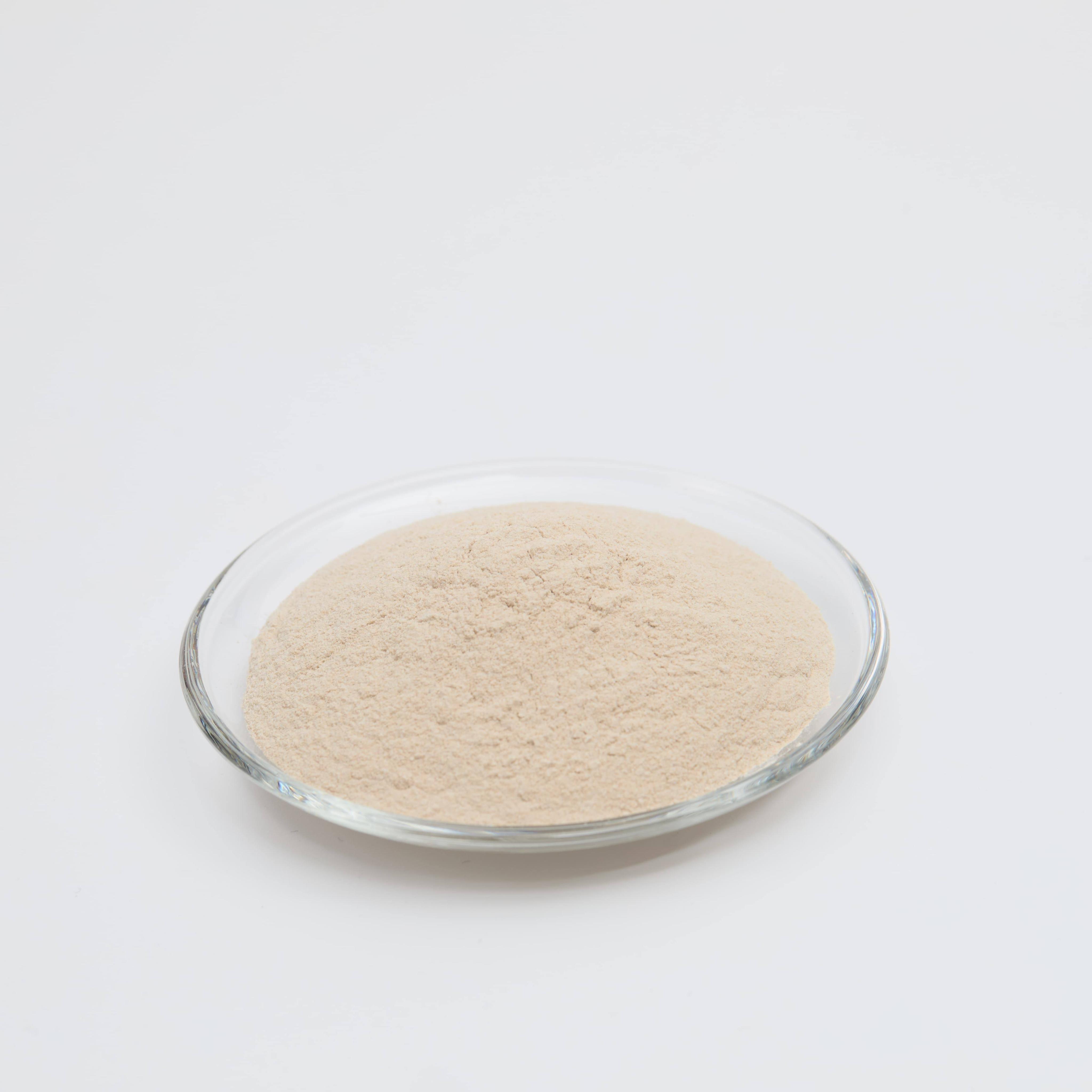
2. Enzymes
Enzymes help break down particular components of feed. Examples include phytase, protease, amylase and other enzymes selected for the feed formulation.
Why they are used: To improve the availability of certain nutrients or help fish utilize specific ingredients more efficiently.
- Vitamins and Minerals
Vitamins and minerals are essential nutrients that support normal metabolism, growth, skeletal development and physiological functions.
Why they are used: To meet nutritional requirements and correct identified deficiencies. They are commonly included in balanced commercial feed.
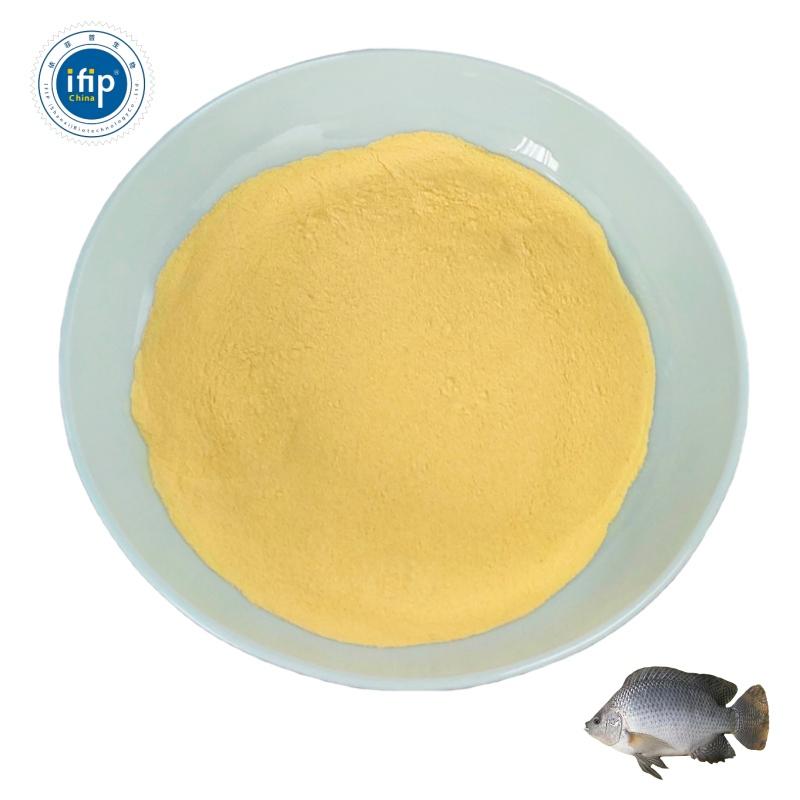
- Organic Acids and Their Salts
Selected organic acids and salts may be included in feed formulations for specific nutritional or functional purposes.
Why they are used: Depending on the product, they may support digestive conditions, feed hygiene or nutrient utilization. Effects vary with the acid, dose and species.
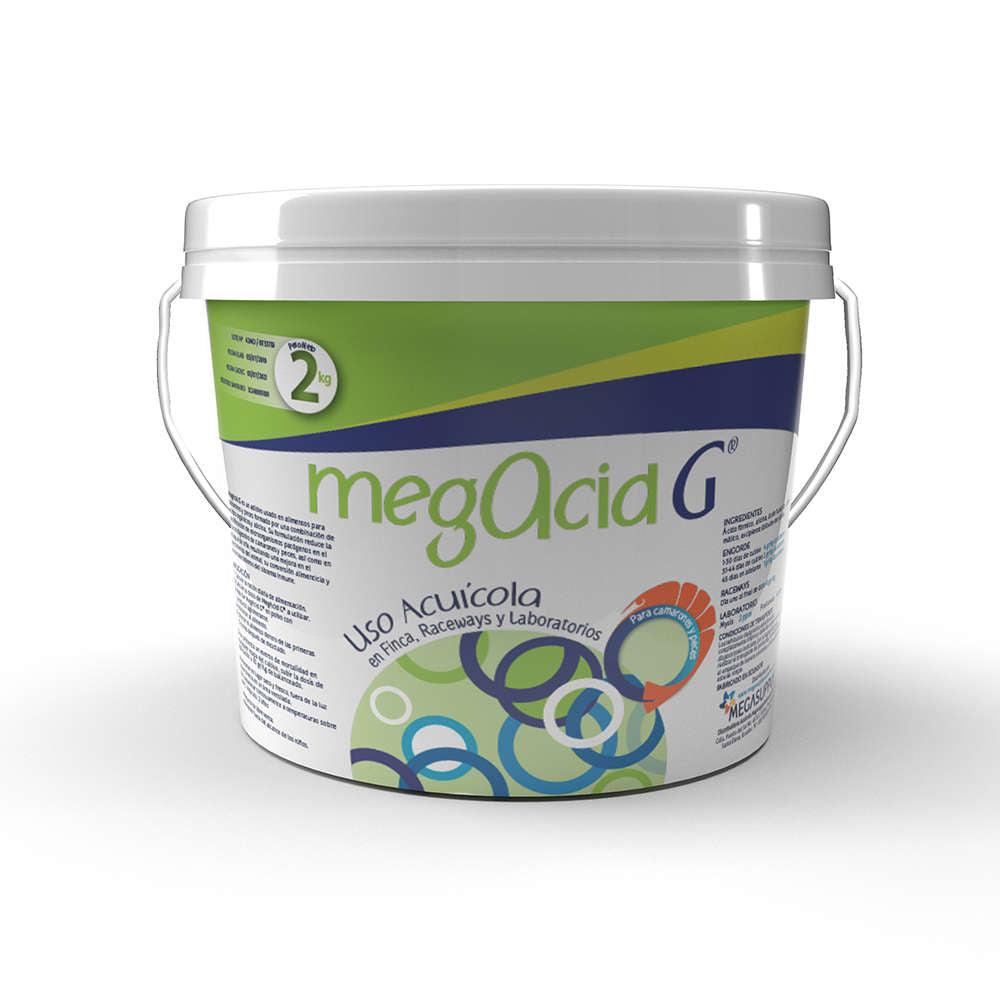
- Antioxidants
Antioxidants help protect susceptible feed ingredients, especially fats and oils, against oxidation during processing and storage.
Why they are used: To help maintain feed quality, reduce rancidity and preserve the nutritional value of sensitive ingredients.
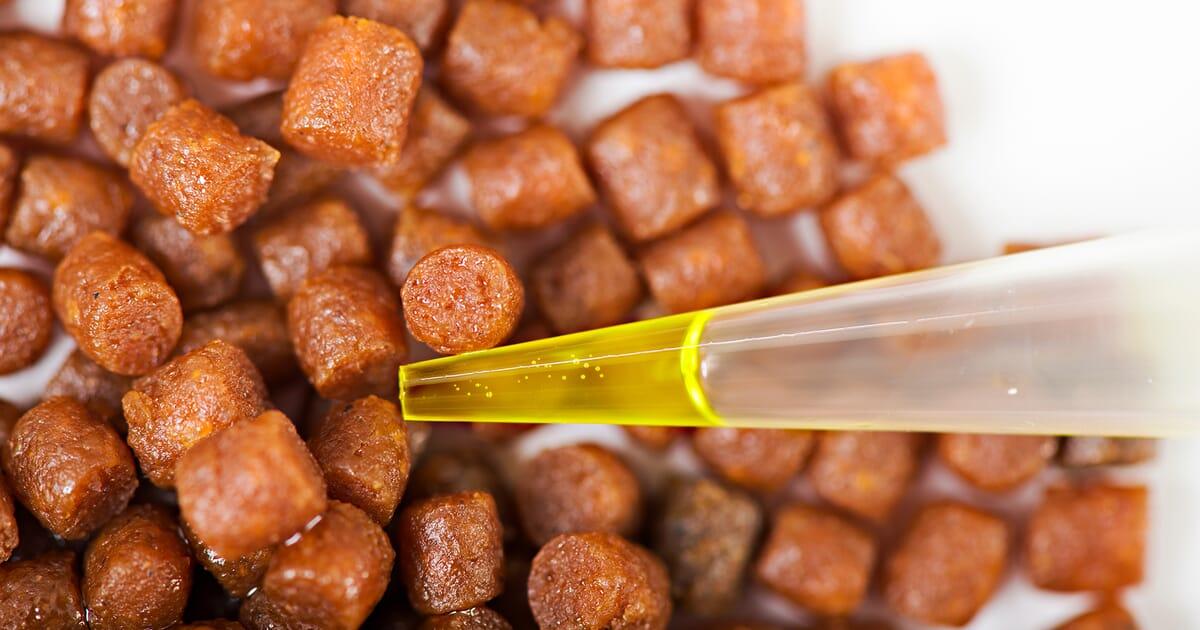
- Feed Attractants and Palatability Enhancers
These ingredients are intended to improve the attractiveness or acceptance of feed. Examples may include selected marine-derived ingredients, amino acids and other approved compounds.
Why they are used: To encourage feed acceptance, particularly when appetite or feed acceptance is a concern.
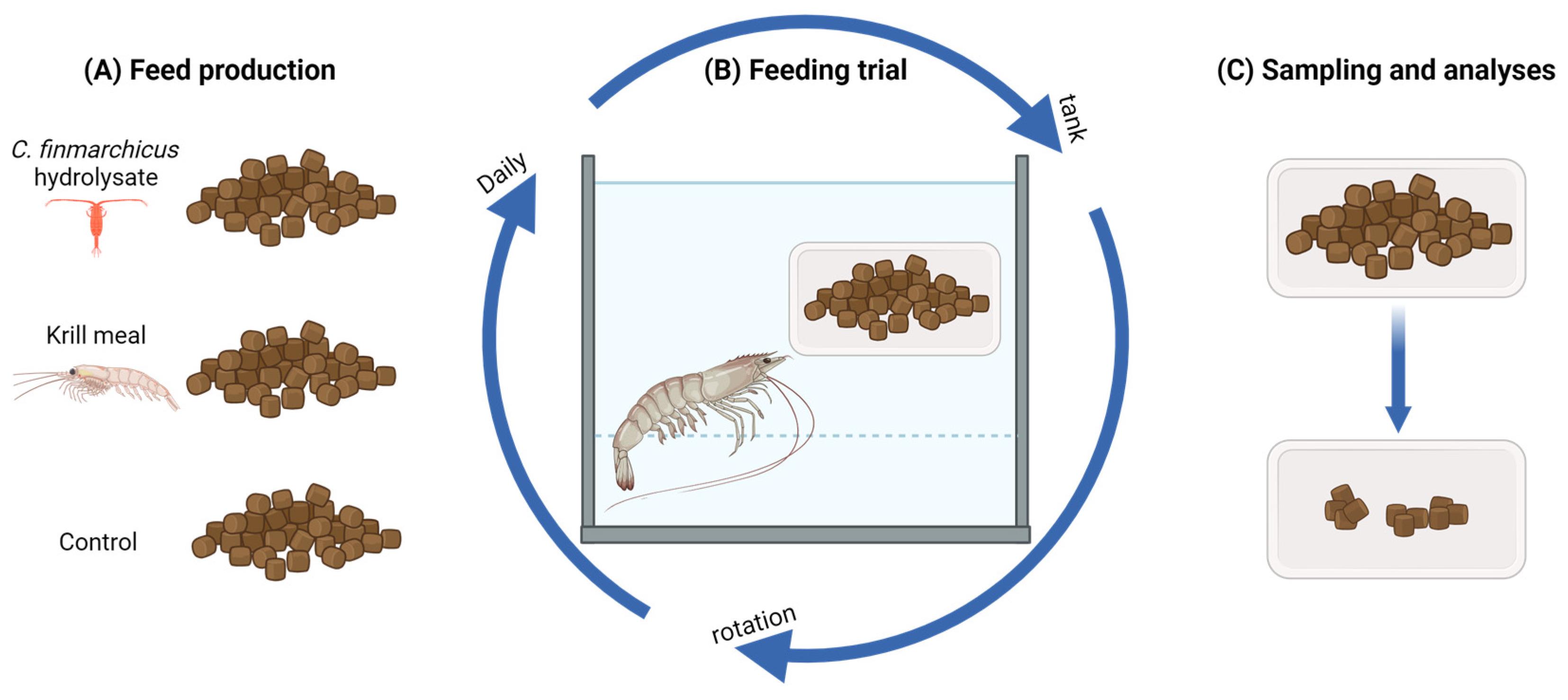
7. Amino Acids and Other Nutritional Supplements
Essential amino acids are required for protein synthesis. Some formulated feeds use supplemental amino acids to balance the overall nutrient profile.
Why they are used: To meet nutritional requirements and improve the balance of diets when the formulation needs them.
- Binders and Pellet-Stability Additives
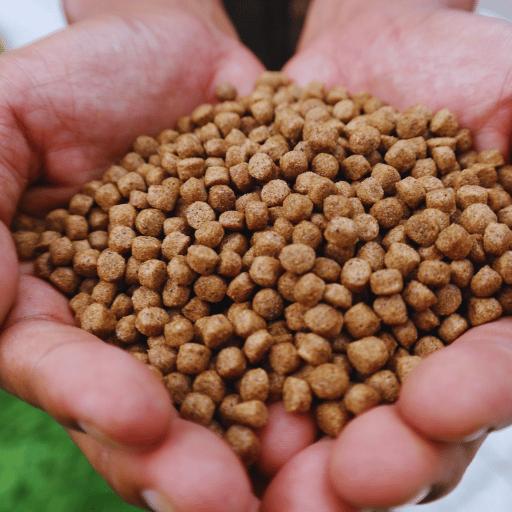
Binders help maintain pellet structure and may reduce disintegration in water. Their suitability depends on the feed type and species.
Why they are used: To improve pellet durability and water stability, potentially reducing nutrient loss and uneaten feed.
Note: Some products may combine several additive categories. Always check the ingredient list, intended use and approved species on the product label.
Why Are Feed Additives Used in Fish and Shrimp Farming?
Feed additives may be used to address specific nutritional or feed-management needs.
Key reasons
- Support growth and development: Adequate nutrients help fish and shrimp grow normally when the complete diet meets their requirements.
2. Improve feed utilization: Some additives may help make certain nutrients more available or support better utilization of feed.
- Support digestive function: Selected probiotics, enzymes and other ingredients may contribute to digestive health.
- Maintain feed quality: Antioxidants and suitable binders can help protect feed quality or improve pellet stability.
5. Support feed acceptance: Appropriate attractants may help improve palatability when the species or situation requires them.
- Meet nutritional requirements: Vitamins, minerals and amino acids can help balance the feed formulation.
7. Reduce avoidable feed waste: When additives improve pellet stability or feed acceptance, they may help reduce losses. This outcome is not guaranteed.
- Support consistent production: Properly selected additives may contribute to performance when used alongside good nutrition and farm management.
Important: No feed additive can guarantee faster growth, zero disease or higher survival. Results must be evaluated under the actual farming conditions.
Benefits of Feed Additives in Aquaculture
Potential benefit How it may help
Nutritional balance Helps meet specific nutrient requirements
Feed utilization May improve the availability or use of selected nutrients
Digestive support Certain products may support normal digestive function
Feed stability Helps maintain pellet structure in water
Feed preservation Antioxidants can help protect fats and oils from oxidation
Feed acceptance Selected attractants may improve palatability
Production monitoring A targeted additive program can be assessed against farm performance
Benefits depend on the product, dose, feed formulation, species, water conditions and management practices. A product that works in one situation may not produce the same result in another.
How to Choose the Right Feed Additive
Before buying a feed additive, identify the specific issue you want to address. Avoid choosing products only because they are popular or because another farmer reported good results.
Consider the following factors:
- Species: Is the product suitable for shrimp, tilapia, carp or the species being cultured?
- Culture stage: Is it intended for larvae, juveniles, grow-out animals or broodstock?
- Main objective: Are you addressing nutrient balance, feed stability, palatability or another clearly defined need?
- Product composition: Check the active ingredients, strain identity where applicable, concentration and formulation.
- Dosage: Confirm the manufacturer's recommended inclusion rate for the intended use.
- Application method: Determine whether it should be incorporated during feed manufacture or applied to prepared pellets.
- Storage conditions: Check temperature, moisture, sunlight and shelf-life requirements.
- Compatibility: Verify whether the product can be combined with the feed, binder or other additives being used.
- Evidence: Look for credible trial data relevant to the species and culture conditions.
- Regulatory compliance: Confirm that the product and its intended use comply with applicable local requirements.
Step-by-Step Guide to Using Feed Additives
Step 1: Identify the farm's requirement
Observe the animals and review the farm's records before selecting an additive. Consider feed intake, growth, survival, feed conversion, water quality and the consistency of the feed being used.
Poor growth or reduced appetite can have many causes, including unsuitable feed, low dissolved oxygen, temperature changes, poor water quality, stress or disease. Do not assume that a feed additive is the solution
Step 2: Review the existing feed
Check whether the commercial feed is appropriate for the species and growth stage. Review its protein, lipid, energy, vitamin and mineral specifications where available.
An additive should complement a balanced diet, not compensate for a fundamentally unsuitable feed.
Step 3: Select the appropriate product
Choose a product designed for the identified need and intended species. Read the label carefully and verify the ingredient, concentration, application instructions and storage requirements.
For suspected nutritional deficiencies or persistent performance problems, seek advice from a qualified aquaculture nutritionist or aquatic animal health professional.
Step 4: Calculate the required quantity
Follow the label's dosage and units. Calculate the amount using the actual quantity of feed to be treated.
Example calculation only: If a product label specifies 5 grams per kilogram of feed and you need to treat 10 kg of feed:
5g/kg x 10kg=50 g
This is an arithmetic example, not a recommended dosage for any specific product. Use the dosage stated on the product label or advised by a qualified professional.
Step 5: Prepare the feed correctly
- Use clean, dry equipment.
- Measure the feed and additive accurately.
- Follow the product's instructions for mixing, coating or incorporation.
- If a carrier liquid or binder is required, use only a compatible product and the specified amount.
- Mix thoroughly to distribute the additive evenly.
- Avoid excessive moisture or handling that damages pellets.
Not all additives should be mixed with water or applied to pellets. Some require specialized feed-manufacturing conditions.
Step 6: Feed according to the farm's feeding plan
Use the treated feed as directed. Consider animal size, biomass, feeding frequency, temperature, dissolved oxygen and observed appetite.
Remove or account for uneaten feed where practical. Do not increase feed quantity simply because an additive is being used.
Step 7: Store treated feed properly
Follow the product's storage instructions. Protect feed from moisture, direct sunlight and excessive heat. Prepare only the quantity that can be used within the recommended period, especially when the additive or coating reduces storage stability.
Step 8: Monitor the results
Record feed intake, growth, survival, water quality and feed conversion ratio (FCR). Compare results with the farm's previous performance or an appropriate untreated comparison when feasible.
Allow a suitable observation period based on the additive's intended function. If no meaningful improvement is seen, review the cause, application method and suitability of the product rather than automatically increasing the dose.
Step 9: Review and adjust responsibly
Keep records of the product, batch number, quantity used, dates and observed results. Continue only when the product is suitable and its use is justified. Seek technical advice if animal performance declines or unexpected effects occur.
Complete Checklist for Feed Additives in Aquaculture
Use this checklist before purchasing, preparing and using any feed additive on your farm.
Before selecting an additive
[ ] Identify the actual farming or nutritional problem
[ ] Confirm the fish or shrimp species and culture stage
[ ] Check the quality and suitability of the existing feed
[ ] Review feed intake, growth, survival and water quality
[ ] Choose an additive for a clearly defined purpose
Before purchasing
[ ] Check the ingredient list and active components
[ ] Confirm the recommended dosage and application method
[ ] Verify the expiry date, batch number and packaging condition
[ ] Review storage requirements and product compatibility
[ ] Confirm applicable approvals and regulatory compliance
During feed preparation
[ ] Use clean, dry mixing equipment
[ ] Weigh feed and additive accurately
[ ] Follow the product label instructions
[ ] Mix or coat feed uniformly where permitted
[ ] Avoid excessive moisture and pellet damage
During farm use
[ ] Follow the normal feeding plan and product directions
[ ] Observe appetite and feeding behaviour
[ ] Monitor dissolved oxygen and other important water-quality parameters
[ ] Record the quantity and timing of additive use
[ ] Avoid combining products without checking compatibility
After application
[ ] Record feed consumption and growth
[ ] Monitor survival and animal condition
[ ] Calculate FCR using reliable feed and biomass records
[ ] Compare results with previous or suitable reference data
[ ] Review effectiveness and discontinue inappropriate use
Common Mistakes to Avoid
- Using too many additives at once: It becomes difficult to identify which product is helping or causing problems.
- Ignoring the recommended dosage: More additive does not necessarily mean better results and may increase cost or create adverse effects.
- Using additives to cover up poor water quality: Low oxygen, unsuitable temperature or other water-quality problems must be addressed directly.
- Mixing incompatible products: Some ingredients can interact or lose effectiveness when mixed.
- Ignoring storage instructions: Heat, moisture and unsuitable storage may reduce product quality.
- Expecting immediate results: The time needed to evaluate an additive depends on its intended purpose.
- Ignoring feed quality: Additives cannot make an unsuitable or nutritionally unbalanced diet complete.
- Failing to maintain records: Without reliable records, it is difficult to judge whether an additive is cost-effective.
How to Evaluate Whether a Feed Additive Is Working
Do not evaluate a product only by looking at the animals for a few days. Use farm records and measurable indicators.
Indicator What to check
Feed intake Is consumption consistent with the farm's normal pattern?
Growth Are weight gain and growth rates meeting expectations?
FCR Is the amount of feed required per unit of biomass gain changing?
Survival Are survival trends improving, declining or unchanged?
Feed quality Are pellets stable, fresh and free from signs of rancidity or spoilage?
Cost-effectiveness Does the measured benefit justify the total additive and application cost?
FCR formula: FCR=Total feed used \ Biomass gained
For example, if 120 kg of feed produces 100 kg of biomass gain, the FCR is 1.2. In actual farm records, account for stocking, harvests, mortality and biomass changes so that comparisons are meaningful.
A lower FCR can indicate better feed efficiency, but comparisons should be made under similar conditions and with reliable records.
Conclusion
Feed additives can play a useful role in modern aquaculture when they are selected for a clear purpose and applied correctly. Probiotics, enzymes, vitamins, minerals, antioxidants, organic acids and other suitable ingredients may help address different nutritional and feed-management needs.
However, the best results begin with balanced feed, good water quality and proper farm management. Farmers should check product quality, follow recommended dosages, maintain accurate records and evaluate performance before continuing an additive program.
For fish and shrimp farmers, the goal should not be to use more additives, but to choose the right additive for the right reason and use it responsibly.
Questions & Answers
Q1.What are feed additives in aquaculture?
Feed additives are substances included in fish or shrimp feed for a specific purpose, such as supporting nutrient utilization, digestive function, feed preservation, palatability or pellet stability.
Q2.Which feed additives are commonly used in fish farming?
Common categories include probiotics, enzymes, vitamins, minerals, antioxidants, amino acids, organic acids and approved feed attractants. The appropriate choice depends on the fish species, feed formulation and farming objective.
Q3.Are feed additives useful in shrimp farming?
Some feed additives can be useful when selected for a specific need and used correctly. Their effectiveness depends on the product, shrimp species and life stage, feed quality, dosage and pond conditions.
Q4.Do feed additives improve FCR?
Certain additives may improve nutrient utilization or reduce feed losses under suitable conditions. However, improved FCR is not guaranteed. Feed quality, feeding management, animal health, stocking density and water quality also influence FCR.
Q5.Can farmers mix different feed additives together?
Only when the products are compatible and their labels permit combined use. Mixing products without checking compatibility may reduce effectiveness or create unwanted interactions.
Q6.Can feed additives replace good-quality feed?
No. Additives complement a properly formulated diet; they cannot reliably compensate for inadequate nutrition, poor-quality ingredients or incorrect feeding practices.
Q7.How should feed additives be stored?
Follow the manufacturer's storage instructions. Many products need protection from moisture, heat and direct sunlight. Some probiotics and other sensitive products may have specific temperature requirements.
Related articles
భారతీయ రిజర్వాయర్లలో కేజ్ ఫిష్ ఫార్మింగ్: సాంకేతికత, అనుమతులు మరియు పెట్టుబడి వివరాలు
భారతదేశంలోని రిజర్వాయర్లలో కేజ్ ఫిష్ ఫార్మింగ్ ఎలా ప్రారంభించాలి? అవసరమైన సాంకేతికత, ప్రభుత్వ అనుమతులు, పెట్టుబడి, చేపల జాతులు, మేత నిర్వహణ మరియు లాభనష్టాల గురించి పూర్తి వివరాలు తెలుసుకోండి.
Freshwater Prawn Farming in IndiaFreshwater Prawn Farming in India: రైతులకు పూర్తి సాగు మార్గదర్శిని
భారతదేశంలో మంచినీటి రొయ్యల సాగు ఎలా ప్రారంభించాలి? జెయింట్ ఫ్రెష్వాటర్ ప్రాన్ సీడ్ ఎంపిక, చెరువు తయారీ, స్టాకింగ్, ఆహారం, నీటి నాణ్యత, పెట్టుబడి, మార్కెటింగ్ గురించి పూర్తి వివరాలు తెలుసుకోండి.
Tilapia farming in Indiaభారతదేశంలో తిలాపియా చేపల పెంపకం – మార్కెట్ అవకాశాలు, ప్రభుత్వ నిబంధనలు మరియు ఆధునిక సాగు పద్ధతులు
భారతదేశంలో తిలాపియా చేపల పెంపకం ఎలా చేయాలి? మార్కెట్ అవకాశాలు, ప్రభుత్వ అనుమతులు, చెరువు సాగు, బయోఫ్లాక్, RAS విధానాలు, పిల్లల ఎంపిక, మేత నిర్వహణ మరియు దిగుబడి గురించి పూర్తి సమాచారం.
PCR Testing in Shrimp Hatcheriesరొయ్యల హ్యాచరీల్లో PCR పరీక్షలు: ఫలితాలను రైతులు ఎలా అర్థం చేసుకోవాలి?
WSSV, EHP, AHPND వంటి వ్యాధికారకాలను గుర్తించడంలో PCR పరీక్షల పాత్ర, పరీక్షా నివేదికలను అర్థం చేసుకోవడం, నాణ్యమైన రొయ్య పిల్లలను ఎంపిక చేసుకోవడం గురించి రైతులు తెలుసుకోవాల్సిన పూర్తి సమాచారం.
Explore Aqua Culture Guide
Aqua companies directory
Feed, seed, probiotics & equipment suppliers
Aquaculture calculators
Feed, FCR, stocking & water quality tools
Telugu aqua magazine
Read the latest monthly issue online
All aqua news & articles
Farming, disease control and market updates
List your company free
Get found by farmers across India
Advertise with us
Magazine and website advertising options