Common Fish Diseases: Symptoms, Prevention and Farm Management
15/10/2026
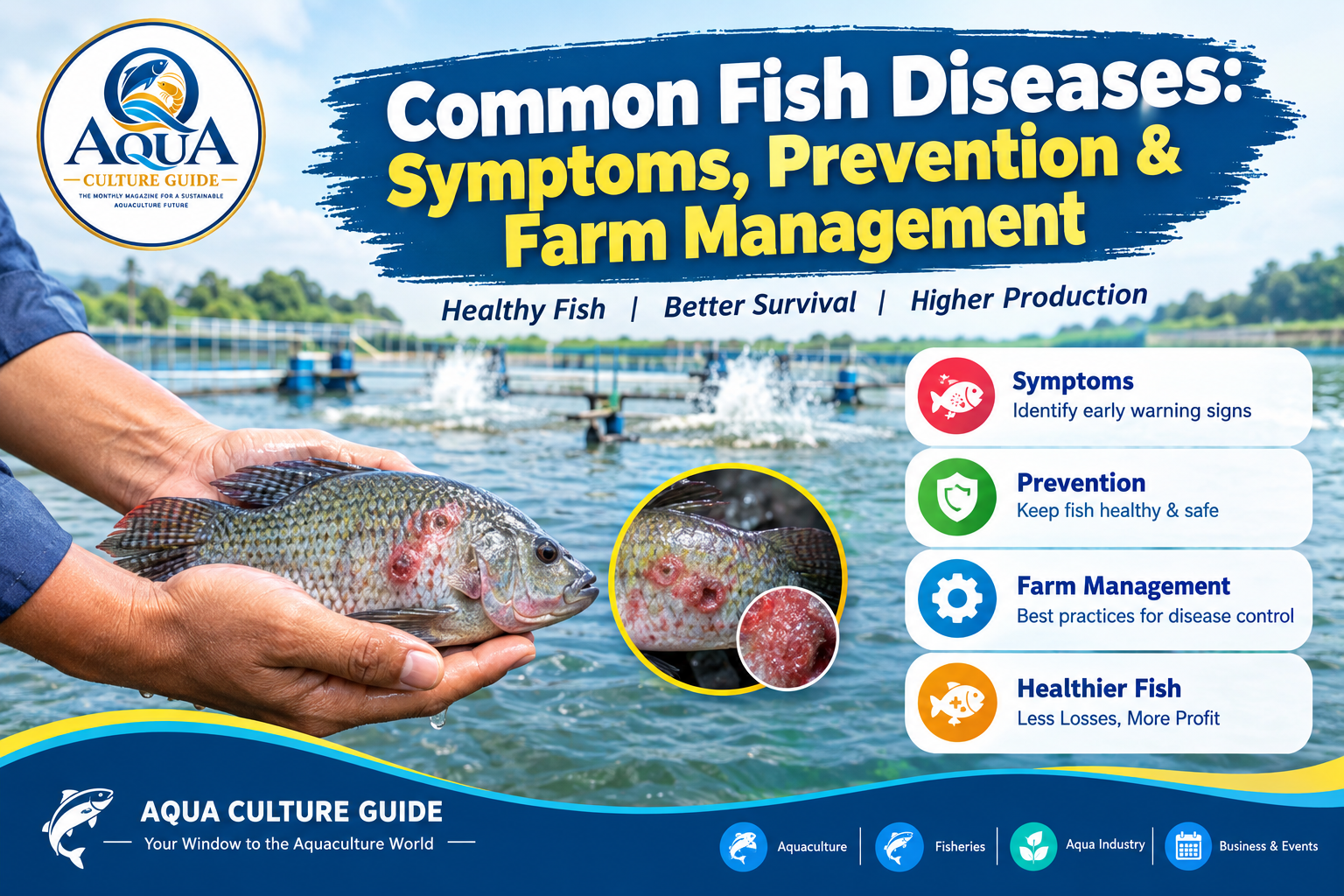
Learn about common fish diseases, their symptoms, prevention methods, and farm management practices to protect fish health and reduce losses in aquaculture
Introduction
Fish health is one of the most important factors in successful aquaculture. Even when farmers provide quality feed, maintain suitable stocking density, and prepare ponds properly, fish diseases can still occur and cause serious production losses.
Diseases may spread through infected fish, contaminated water, parasites, equipment, or other routes. Poor water quality, low dissolved oxygen, overcrowding, nutritional deficiencies, and handling stress can also weaken fish and increase their susceptibility to health problems.
Early detection and proper farm management are essential to controlling disease outbreaks. However, different diseases can produce similar symptoms, so farmers should not rely on appearance alone to identify a specific infection.
Why Is Fish Disease Management Important?
Effective fish health management helps farmers:
- Reduce avoidable fish mortality.
- Maintain healthy growth and feeding activity.
- Identify disease problems early.
- Protect water quality and the pond environment.
- Reduce the risk of disease spreading between ponds.
- Avoid unnecessary treatment costs.
- Maintain more consistent production and harvest planning.
Important: Early symptoms are warning signs, not a confirmed diagnosis. If fish show severe illness, unusual behaviour, or sudden mortality, contact a fisheries officer, aquatic animal health professional, or qualified aquatic veterinarian promptly.
Common Fish Diseases in Aquaculture
Fish diseases can be caused by bacteria, viruses, parasites, fungi-like organisms, and environmental problems. The following are important health conditions that freshwater fish farmers should understand.
- Bacterial Diseases
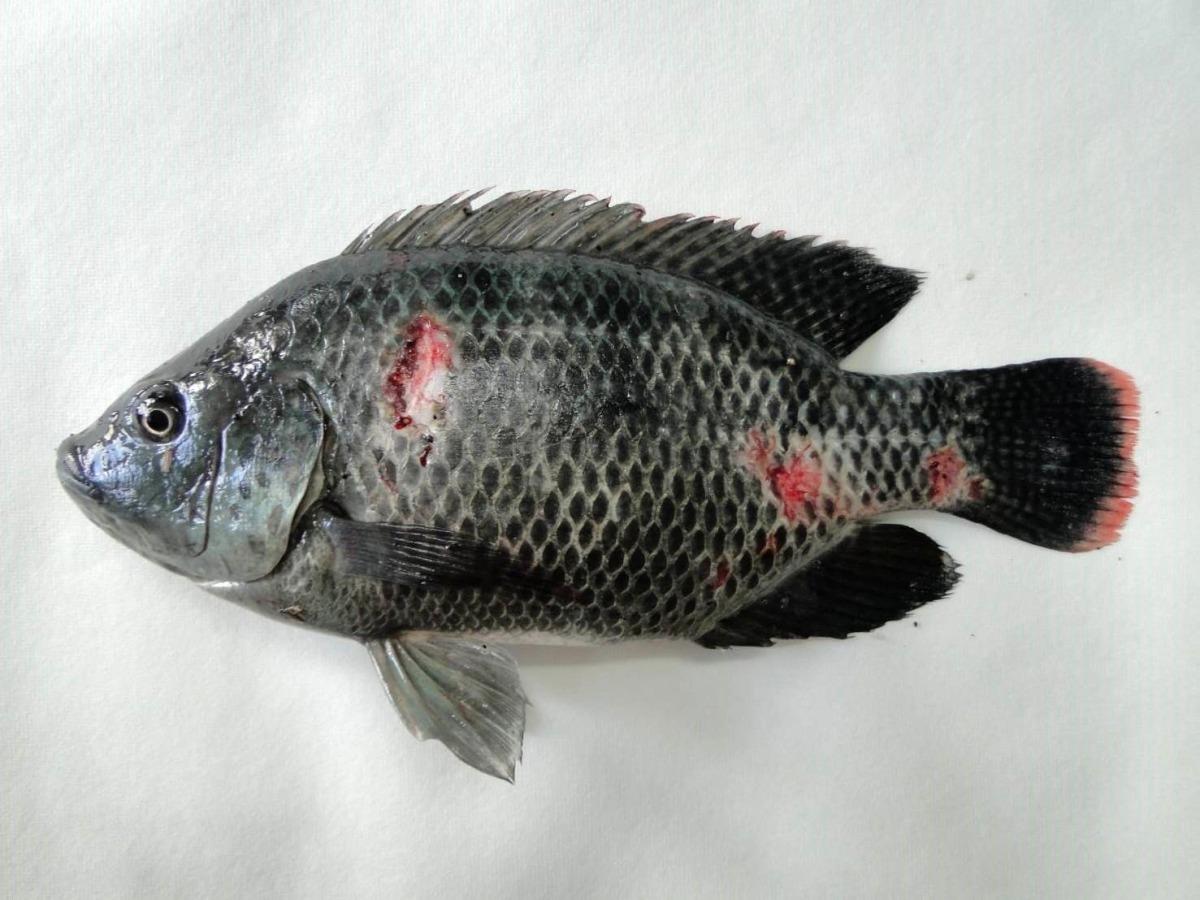
Bacterial infections, including those associated with Aeromonas species, may cause skin ulcers, red patches, fin damage, and internal illness. Stress and poor water quality can increase the risk of disease.
Warning signs: ulcers, bleeding, damaged fins, loss of appetite, abnormal swimming.
2.Fungal-Like Infections
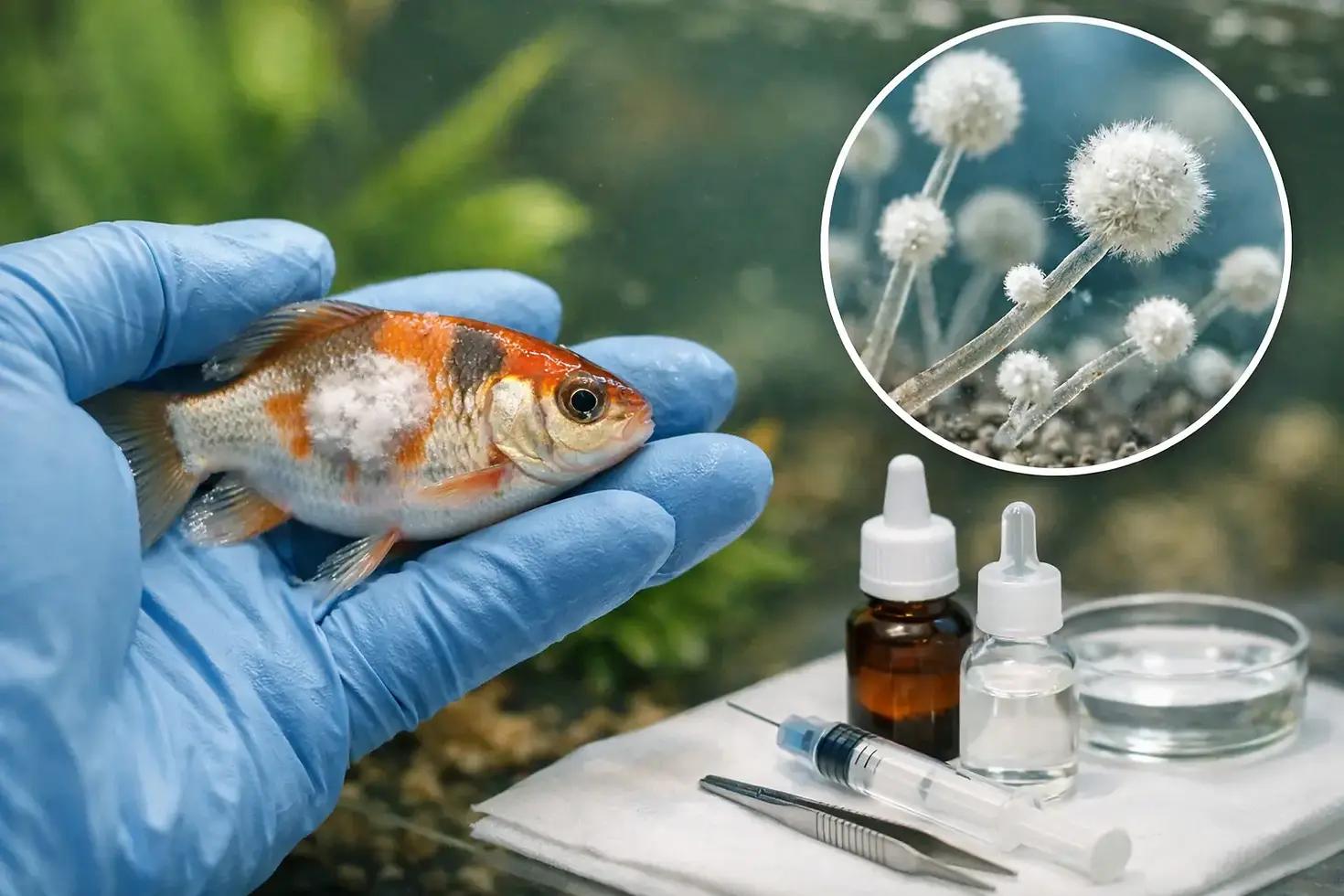
Water moulds such as Saprolegnia can grow on damaged skin, eggs, or weakened fish. Affected areas may look like white or grey cotton-like patches.
Warning signs: cotton-like growth, skin damage, lethargy, poor feeding.
3.Parasitic Diseases
External parasites such as fish lice, anchor worms, and certain microscopic protozoans can irritate the skin and gills. Some affected fish rub against pond surfaces or objects.
Warning signs: flashing or rubbing, excess mucus, rapid breathing, skin irritation, poor growth.
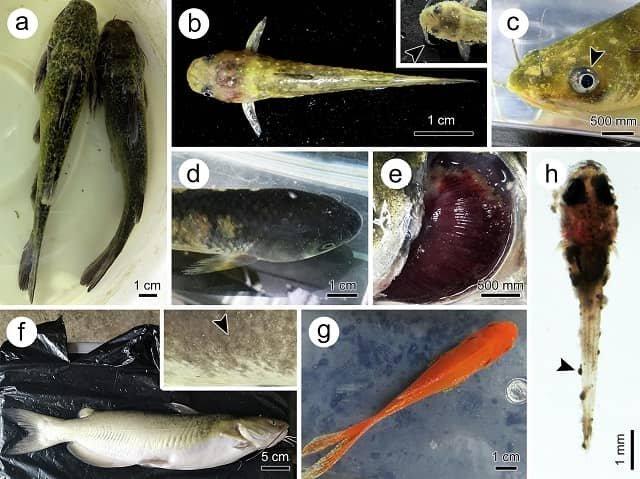
- Viral Diseases
Viral diseases can affect particular fish species and production systems. Signs vary and may include abnormal swimming, weakness, changes in body shape, or increased mortality.
Warning signs: unusual behaviour, weakness, poor feeding, unexplained mortality. Laboratory testing may be required.
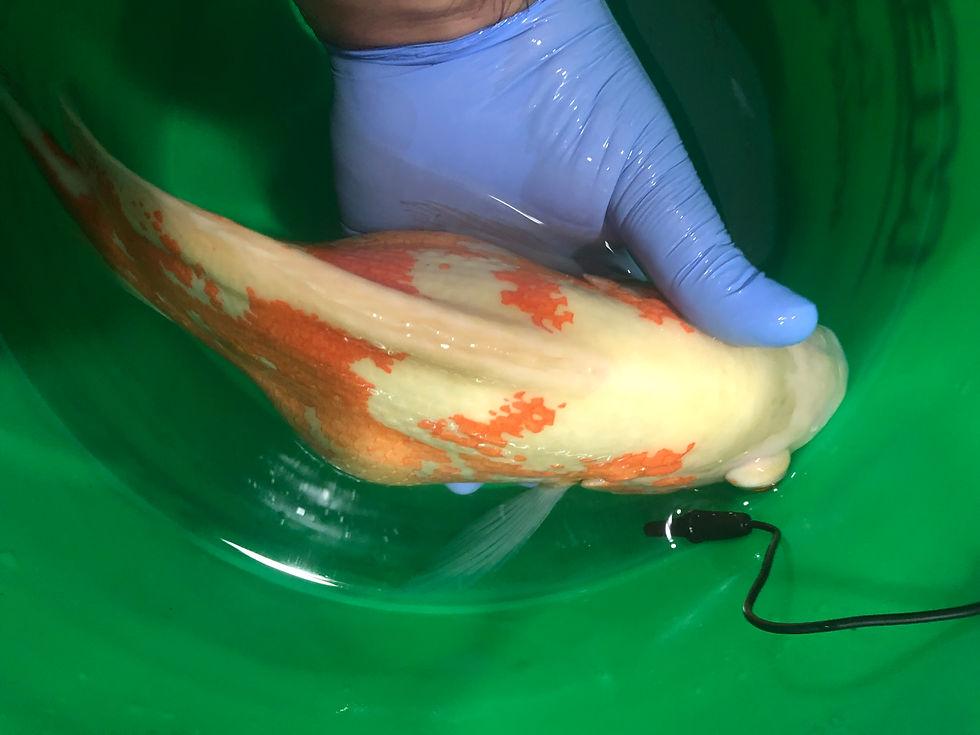
- Environmental and Water Quality Problems
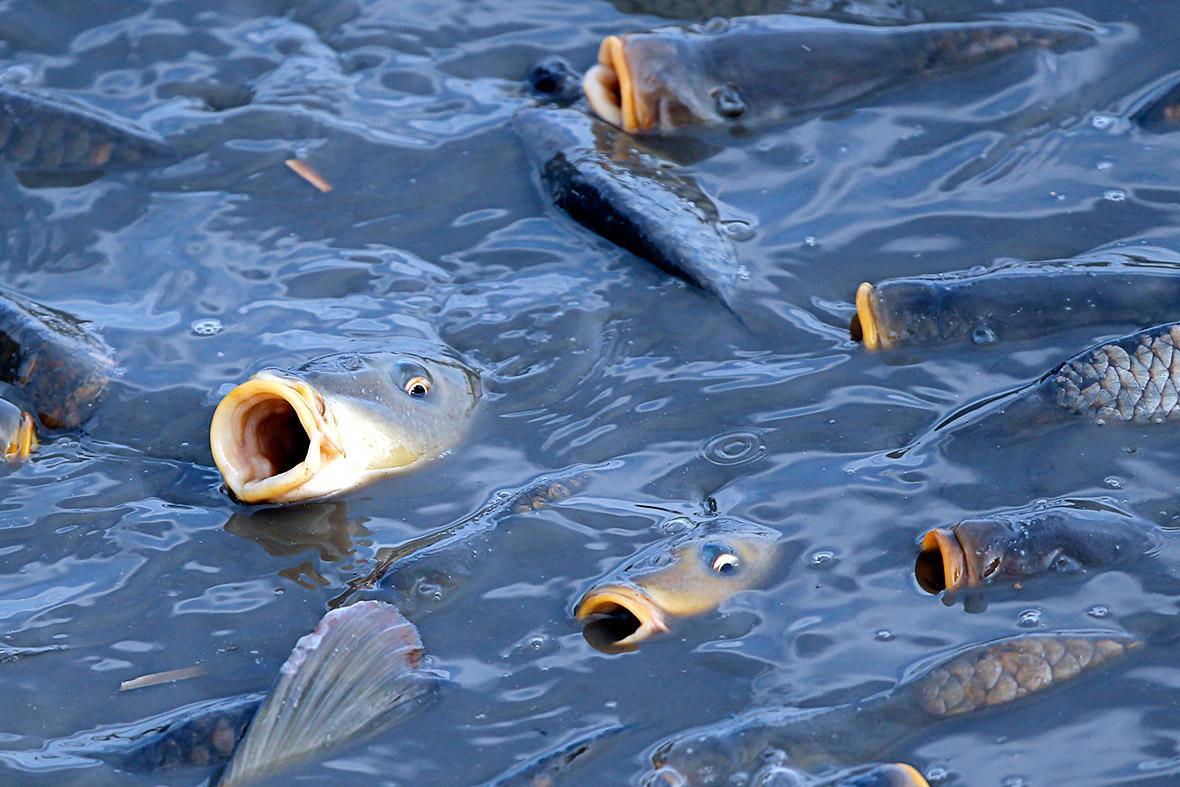
Low dissolved oxygen, ammonia toxicity, unsuitable pH, sudden temperature changes, and chemical contamination can cause illness that resembles infectious disease.
Warning signs: surface gasping, rapid gill movement, sudden weakness, poor feeding, multiple fish affected at once.
Common Fish Diseases: Symptoms and Warning Signs
The following table can help farmers recognise when a closer health assessment is needed.
Disease or problem Common warning signs Recommended first response
Bacterial infection Ulcers, red patches, fin damage, weakness Check water quality, reduce handling, seek diagnosis
Fungal-like infection White or grey cotton-like growth Inspect affected fish and consult a fish health professional
External parasites Rubbing, excess mucus, damaged gills Arrange skin or gill examination
Viral disease Species-dependent signs, weakness, unusual mortality Isolate affected equipment and seek professional advice
Low dissolved oxygen Gasping at the surface, rapid breathing Increase aeration immediately and check oxygen levels
Ammonia or other water quality problems Irritated gills, poor feeding, abnormal swimming Test water and correct the underlying cause safely
Nutritional deficiency Poor growth, deformities, reduced condition Review feed quality, storage, and nutritional suitability
Remember: These symptoms overlap. For example, gasping may indicate low oxygen, gill parasites, or gill damage. A reliable diagnosis may require water testing, microscopic examination, or laboratory analysis.
Early Symptoms of Fish Diseases Every Farmer Should Watch For
Daily observation helps farmers notice changes before losses become severe.
A. Changes in swimming behaviour
Watch for fish that:
- Swim erratically or lose balance.
- Remain isolated from the group.
- Rub their bodies against pond surfaces.
- Stay near the water inlet or surface unusually.
- Become sluggish or unresponsive.
B. Changes in feeding activity
A sudden reduction in feed consumption can be an early warning sign. Check whether the problem affects a few fish or the entire pond.
Possible causes include disease, low oxygen, unsuitable temperature, stress, poor feed quality, or other water quality problems.
C. Physical changes
Inspect fish for:
- Skin ulcers or red patches.
- White or grey growths.
- Damaged fins or scales.
- Unusual swelling or abdominal enlargement.
- Pale or discoloured gills.
- Excess mucus or visible parasites.
D. Sudden mortality
Unexpected deaths, especially when several fish are affected over a short period, require urgent attention. Environmental emergencies such as oxygen depletion can progress rapidly, so do not assume that all sudden mortality is caused by infection.
Step-by-Step Guide to Managing Fish Diseases on the Farm
Step 1: Observe and identify the problem
Check fish behaviour, feeding response, swimming patterns, physical appearance, and the distribution of affected fish.
Record when the symptoms began and whether they are getting worse.
Step 2: Check water quality immediately
Measure dissolved oxygen, temperature, pH, and other relevant parameters. Test ammonia and other water quality indicators when appropriate.
If fish are gasping or oxygen depletion is suspected, increase aeration promptly while checking conditions. Do not delay urgent oxygen management while waiting for a disease diagnosis.
Step 3: Reduce stress and handling
Avoid unnecessary netting, crowding, transportation, or other handling while fish are unwell. Reduce additional stress and maintain suitable environmental conditions.
Step 4: Strengthen biosecurity
Use dedicated or properly cleaned equipment for affected ponds. Prevent the transfer of fish, water, and contaminated equipment between ponds until the problem is understood.
Follow local reporting and movement requirements if a serious or suspected notifiable disease is involved.
Step 5: Seek a proper diagnosis
Contact a fisheries officer, qualified aquatic animal health professional, or aquatic veterinarian. Provide details about the species, fish age and size, mortality pattern, recent feed changes, water quality, and any recent stocking or handling.
A professional may recommend examining freshly affected fish or submitting suitable samples for laboratory testing.
Step 6: Follow an appropriate treatment plan
Treatment depends on the actual cause, fish species, production system, and applicable regulations.
- Use medicines or approved treatments only when appropriate for the diagnosed condition.
- Follow professional directions and product labels.
- Observe food-fish withdrawal periods where applicable.
- Avoid random combinations of chemicals or medicines.
- Never use human medicines or unapproved antibiotics as a substitute for diagnosis.
Incorrect treatment can harm fish, affect water quality, promote antimicrobial resistance, and create food safety risks.
Step 7: Monitor the pond closely
Track mortality, feeding behaviour, swimming, and water quality. Record any intervention and whether conditions improve.
If mortality continues or increases, reassess the diagnosis and seek further professional help.
Step 8: Review the cause after the incident
Once the outbreak is under control, review stocking practices, water quality records, feed management, fish source, handling, and equipment hygiene.
Correcting the underlying risk can help prevent similar problems in future production cycles.
Complete Fish Disease Prevention Checklist
Use this checklist as part of your daily and weekly farm management routine.
Daily fish health checks
[ ] Observe fish swimming behaviour
[ ] Check feeding response and feed consumption
[ ] Look for unusual skin lesions, mucus, or damaged fins
[ ] Watch for gasping or abnormal gill movement
[ ] Record unusual mortality or sudden behavioural changes
Water quality management
[ ] Monitor dissolved oxygen as required
[ ] Check water temperature and pH
[ ] Test ammonia and other relevant water parameters
[ ] Maintain suitable aeration and water circulation
[ ] Investigate sudden changes in water quality
Biosecurity practices
[ ] Purchase fish seed from reliable sources
[ ] Inspect new fish before stocking
[ ] Use dedicated or properly disinfected equipment
[ ] Clean equipment using suitable methods
[ ] Prevent unnecessary movement of fish between ponds
[ ] Dispose of dead fish safely under local guidance
Feed and pond management
[ ] Use suitable, good-quality fish feed
[ ] Store feed in dry and clean conditions
[ ] Avoid overfeeding and excessive organic waste
[ ] Maintain appropriate stocking density
[ ] Remove accumulated waste where practical
[ ] Keep daily health and production records
Best Farm Management Practices to Prevent Fish Diseases
Maintain good water quality
Water quality is one of the foundations of fish health. Monitor dissolved oxygen, temperature, pH, and other parameters appropriate to your fish species and production system.
Keep aeration equipment in working condition and have a plan for responding to oxygen emergencies.
Choose healthy fish seed
Purchase fingerlings from a reputable hatchery or supplier. Ask about the source, species identity, health history, and available testing documentation.
Quarantine or separate incoming fish where practical and appropriate for your system, following professional guidance before mixing them with existing stock.
Avoid excessive stocking density
Overstocking can increase competition, stress, waste accumulation, and the risk of disease transmission. Select stocking densities according to species, pond conditions, aeration capacity, and production goals.
Manage feeding properly
Use suitable feed and avoid overfeeding. Uneaten feed and accumulated organic matter can affect water quality, while poor nutrition can compromise fish condition.
Maintain equipment hygiene
Clean and appropriately disinfect nets, containers, and other equipment between ponds. Use a disinfectant suitable for the equipment and target pathogen, follow label directions, and prevent harmful residues from entering ponds.
Keep accurate records
Maintain records of:
- Stocking date, species, source, and quantity.
- Daily mortality and unusual behaviour.
- Feed consumption and growth.
- Water quality measurements.
- Disease investigations and treatments.
- Harvests, transfers, and other major farm activities.
What Should You Do If Fish Start Dying Suddenly?
Sudden fish mortality is an urgent warning sign.
- Check oxygen immediately. Increase aeration if low dissolved oxygen is suspected.
- Inspect water conditions. Check temperature, pH, ammonia, and possible contamination.
- Stop unnecessary handling. Avoid additional stress and movement of affected fish.
- Prevent possible spread. Restrict movement of fish, water, and equipment between ponds as appropriate.
- Contact a fisheries or aquatic animal health professional. Share water readings, photographs, recent farm activities, and mortality details.
- Record the event. Note the time, number of fish affected, symptoms, and actions taken.
- Handle dead fish safely. Follow local disposal guidance and avoid releasing carcasses into waterways.
Do not immediately apply antibiotics, pesticides, salt, or other chemicals without understanding the likely cause and checking whether the treatment is suitable and permitted.
Conclusion
Fish disease prevention is essential for healthy growth, better survival, and sustainable aquaculture production. Early observation, good water quality, healthy fish seed, proper feeding, and strong biosecurity help farmers reduce avoidable risks.
The most important principle is simple: identify warning signs early, check water quality, avoid unverified treatments, and seek a reliable diagnosis when disease is suspected.
Follow Aqua Culture Guide for more practical information on fish health, aquaculture management, fish feed, and farming best practices.
Questions & Answers
Q1.What are the most common fish diseases in aquaculture?
Common health problems include bacterial infections, parasitic infestations, fungal-like infections, and viral diseases. Environmental problems such as low dissolved oxygen and ammonia toxicity can also cause serious illness and mortality.
Q2.What are the early signs of fish disease?
Early signs may include reduced feeding, unusual swimming, rubbing against surfaces, skin lesions, excess mucus, abnormal gill movement, and unexpected mortality.
Q3.How can fish diseases be prevented in ponds?
Maintain suitable water quality, select healthy fish seed, avoid excessive stocking, provide balanced feed, clean equipment, and monitor fish health daily
Q4.Why do fish stop eating suddenly?
Possible causes include low dissolved oxygen, unsuitable temperature, disease, stress, poor feed quality, or other water quality problems. Check environmental conditions first and seek professional help if the problem persists.
Q5.Can poor water quality cause fish disease?
Poor water quality can directly harm fish and increase stress, making them more vulnerable to some infections. It can also produce symptoms that resemble infectious disease.
Q6.Should I use antibiotics when fish become sick?
No, not without appropriate diagnosis and professional guidance. Antibiotics are useful only for certain bacterial infections, and incorrect use can cause treatment failure, antimicrobial resistance, and food safety problems.
Related articles
భారతీయ రిజర్వాయర్లలో కేజ్ ఫిష్ ఫార్మింగ్: సాంకేతికత, అనుమతులు మరియు పెట్టుబడి వివరాలు
భారతదేశంలోని రిజర్వాయర్లలో కేజ్ ఫిష్ ఫార్మింగ్ ఎలా ప్రారంభించాలి? అవసరమైన సాంకేతికత, ప్రభుత్వ అనుమతులు, పెట్టుబడి, చేపల జాతులు, మేత నిర్వహణ మరియు లాభనష్టాల గురించి పూర్తి వివరాలు తెలుసుకోండి.
Freshwater Prawn Farming in IndiaFreshwater Prawn Farming in India: రైతులకు పూర్తి సాగు మార్గదర్శిని
భారతదేశంలో మంచినీటి రొయ్యల సాగు ఎలా ప్రారంభించాలి? జెయింట్ ఫ్రెష్వాటర్ ప్రాన్ సీడ్ ఎంపిక, చెరువు తయారీ, స్టాకింగ్, ఆహారం, నీటి నాణ్యత, పెట్టుబడి, మార్కెటింగ్ గురించి పూర్తి వివరాలు తెలుసుకోండి.
Tilapia farming in Indiaభారతదేశంలో తిలాపియా చేపల పెంపకం – మార్కెట్ అవకాశాలు, ప్రభుత్వ నిబంధనలు మరియు ఆధునిక సాగు పద్ధతులు
భారతదేశంలో తిలాపియా చేపల పెంపకం ఎలా చేయాలి? మార్కెట్ అవకాశాలు, ప్రభుత్వ అనుమతులు, చెరువు సాగు, బయోఫ్లాక్, RAS విధానాలు, పిల్లల ఎంపిక, మేత నిర్వహణ మరియు దిగుబడి గురించి పూర్తి సమాచారం.
PCR Testing in Shrimp Hatcheriesరొయ్యల హ్యాచరీల్లో PCR పరీక్షలు: ఫలితాలను రైతులు ఎలా అర్థం చేసుకోవాలి?
WSSV, EHP, AHPND వంటి వ్యాధికారకాలను గుర్తించడంలో PCR పరీక్షల పాత్ర, పరీక్షా నివేదికలను అర్థం చేసుకోవడం, నాణ్యమైన రొయ్య పిల్లలను ఎంపిక చేసుకోవడం గురించి రైతులు తెలుసుకోవాల్సిన పూర్తి సమాచారం.
Explore Aqua Culture Guide
Aqua companies directory
Feed, seed, probiotics & equipment suppliers
Aquaculture calculators
Feed, FCR, stocking & water quality tools
Telugu aqua magazine
Read the latest monthly issue online
All aqua news & articles
Farming, disease control and market updates
List your company free
Get found by farmers across India
Advertise with us
Magazine and website advertising options